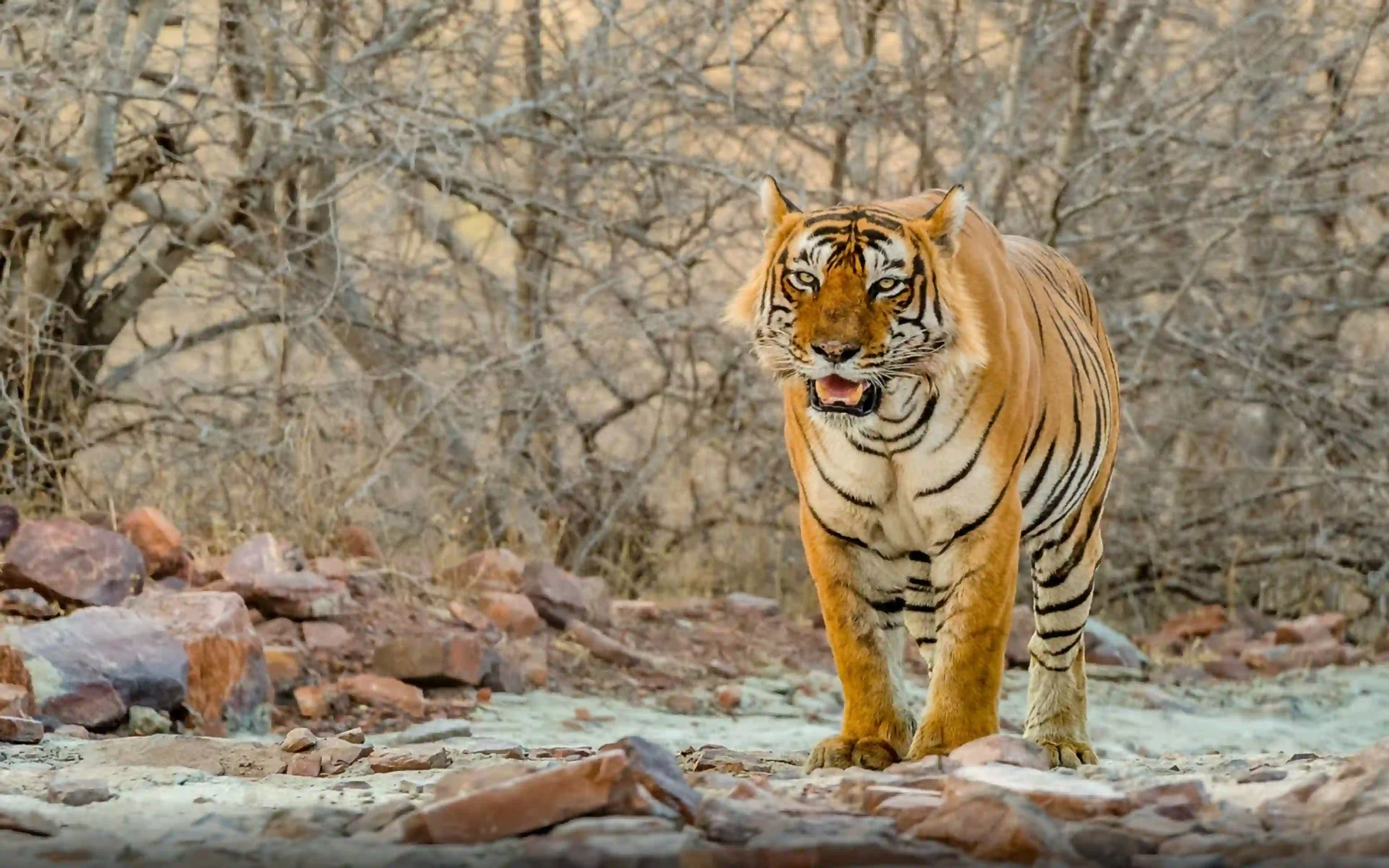
What Is the Best Time for a Rajasthan and Golden Triangle Tour?
Planning a Rajasthan and Golden Triangle journey is a little like choosing the right season for a long road trip: the route may stay the same, but the experience can change dramatically depending on when you travel. Rajasthan is known for its grand forts, colorful markets, desert landscapes, palace hotels, and historic cities, while the Golden Triangle connects Delhi, Agra, and Jaipur into one of India's most popular travel circuits. Because this region experiences hot summers, a monsoon period, and cooler winters, the best time to visit Rajasthan and the Golden Triangle is generally from October to March. During these months, daytime conditions are usually much more comfortable for sightseeing, particularly when you are spending several hours outdoors at forts, palaces, monuments, and markets. Winter is also a popular period for international visitors because the weather is far more pleasant than during the intense heat of late spring and summer. That does not mean other months are impossible, though. Travelers who don't mind heat can find quieter attractions and potentially different travel experiences outside the peak season, while the monsoon can bring greener landscapes and occasional rain. The best travel month ultimately depends on what matters most to you—comfortable sightseeing, desert experiences, festivals, fewer crowds, photography, wildlife, or a particular budget.
October to March: The Best Overall Travel Season
For most travelers, October through March is the ideal season for a Rajasthan and Golden Triangle itinerary. The weather during this period generally makes long sightseeing days much easier, which matters when your itinerary includes multiple cities and historic sites. Rajasthan's major destinations—Jaipur, Jodhpur, Udaipur, Jaisalmer, Pushkar, and Bikaner—can involve substantial walking, while Delhi and Agra add major monuments such as the Red Fort, Humayun's Tomb, Qutub Minar, and Taj Mahal to the journey. Cooler mornings and relatively comfortable afternoons allow you to explore these places without constantly searching for shade or air conditioning. The season is especially attractive for first-time visitors who want to combine cultural sightseeing with a desert excursion. From October onward, the landscape begins moving away from the intense heat of summer, and by December and January, winter conditions are established across much of northern India. However, winter mornings in Delhi and Agra can sometimes be foggy, which may affect visibility and photography. Even so, the overall balance of temperature and sightseeing conditions makes this period the safest recommendation for most people planning their first trip. If you have complete flexibility, late October, November, February, and early March can be particularly appealing because they offer a useful compromise between pleasant weather and peak winter conditions.
Why Winter Is So Popular for Rajasthan Tours
Winter is popular because Rajasthan is fundamentally an outdoor destination. You do not experience Jaipur's Amber Fort, Jodhpur's Mehrangarh Fort, Udaipur's lakeside architecture, or Jaisalmer's desert by staying indoors. You walk through courtyards, climb fort pathways, explore old neighborhoods, browse bazaars, take photographs, and often spend hours moving between attractions. Comfortable weather therefore has a direct impact on how much you can enjoy the trip. During the cooler months, you can begin sightseeing in the morning and continue well into the afternoon without the physical strain associated with India's hotter seasons. Nights can be distinctly cool in desert areas, particularly around Jaisalmer, so packing layers is useful. Jaipur and Delhi can also have chilly mornings, while Agra can experience winter fog. Rather than seeing these variations as problems, think of them as part of the seasonal character of northern India. Winter also creates an appealing atmosphere around historic architecture, especially early in the morning and near sunset. If your itinerary includes a camel safari or overnight desert camp, cooler winter nights are considerably more comfortable than attempting the same experience during the hottest months.
October: A Great Month for a Rajasthan and Golden Triangle Trip
October is one of the most attractive months for travelers who whttps://www.welcomeindiajourney.com/golden-triangle-tour-packagesant to avoid the extreme temperatures of summer while enjoying the beginning of the main tourist season. Conditions generally become more comfortable as the month progresses, although exact weather varies from year to year and by location. This makes October particularly useful for travelers who want to combine Rajasthan with Delhi and Agra without committing to the coldest part of winter. Jaipur's forts and palaces become easier to explore, while Agra's monuments can be enjoyed without the oppressive heat associated with late spring. October can also coincide with important Indian festivals in some years, which may add a colorful cultural dimension to your journey. However, festivals can also mean increased demand for hotels and transportation, so checking the exact dates before booking is sensible. If you enjoy photography, October can be rewarding because clearer skies and changing seasonal light can create excellent conditions around historic architecture. For travelers who dislike cold weather, October may be preferable to December or January. The main consideration is that temperatures can still be warm at certain times, particularly earlier in the month, so flexible sightseeing hours remain helpful.
November: One of the Best Months to Travel
November is arguably one of the strongest choices for a Rajasthan itinerary because temperatures are generally comfortable across the region, while the harsh summer heat is long gone. It is an excellent month for combining multiple destinations because you can spend time outdoors without the same level of heat fatigue. A typical route might include Delhi, Agra, Jaipur, Jodhpur, Udaipur, and Jaisalmer, although the exact route depends on how many days you have. November is also attractive for travelers interested in cultural events, because Rajasthan hosts numerous fairs and festivals around this time of year. Pushkar, in particular, can become exceptionally lively around the annual Pushkar Camel Fair, depending on the calendar. If you plan to travel during a major event, book accommodation and transportation well ahead of time. Popular heritage hotels and desert camps can fill quickly during high-demand periods. November is also a good month for combining sightseeing with outdoor experiences such as village visits, walking tours, cycling, desert excursions, and wildlife safaris. If your priority is simply to find a month with generally favorable weather for a broad Rajasthan and Golden Triangle itinerary, November deserves to be near the top of your list.
December and January: Excellent Weather, Higher Demand
December and January offer some of the coolest conditions of the year and are extremely popular with international visitors. For travelers coming from colder countries, the combination of sunshine and daytime sightseeing can be especially appealing. Rajasthan's desert areas can become surprisingly cold after sunset, however, so do not assume that a winter trip means warm weather everywhere. A desert camp in Jaisalmer can have cold nights even when the daytime is comfortably sunny. Delhi and Agra can also experience cold mornings and fog during winter. Fog is particularly relevant if seeing the Taj Mahal at sunrise is one of your priorities because visibility can occasionally be reduced. Nevertheless, daytime sightseeing remains attractive, and the cooler temperatures make walking through large monuments much easier. Because these months fall firmly within the popular tourist season, hotel prices and demand can be higher than during hotter periods. Christmas and New Year can increase demand further in major tourist destinations. If you want to travel during December or January, advance planning is strongly recommended. The reward is excellent overall sightseeing weather and a lively atmosphere across Rajasthan's major destinations.
February and March: Comfortable and Colorful
February is another excellent month for this itinerary. The coldest winter conditions begin to ease, while temperatures generally remain suitable for sightseeing. This can make February particularly comfortable for travelers who want long days outdoors without dealing with either winter's coldest mornings or the extreme heat that arrives later in spring. March can also be a fascinating month because it may coincide with Holi, India's famous festival of colors, depending on the year. Experiencing Holi in Rajasthan can add an unforgettable cultural element to your trip, but it requires advance planning because travel demand and local schedules can change around major celebrations. By late March, temperatures can begin rising significantly, so early March is generally more comfortable than the end of the month. If you enjoy photography, February and early March can offer excellent conditions for capturing forts, palaces, streets, and landscapes. This period can also work well for travelers who want a slightly different atmosphere from the December-January peak. For many visitors, February represents an excellent balance between pleasant weather, cultural activity, and manageable sightseeing conditions.
April to June: Should You Travel During Summer?
Summer is generally not the best time for a first Rajasthan trip, especially if you are sensitive to heat. April can still be manageable for experienced travelers, but temperatures rise quickly as the season progresses. May and June are typically the most challenging months because daytime heat can become intense, particularly in Rajasthan's inland and desert regions. Walking around exposed fort complexes during the afternoon can be exhausting, and sightseeing schedules often need to be adjusted around the hottest part of the day. That said, summer travel is not automatically a bad idea. Hotels may offer better availability, popular attractions can feel less crowded, and travelers who tolerate heat well can still enjoy the region by adopting an early-morning and late-afternoon sightseeing strategy. If you travel during these months, hydration becomes extremely important, as does sun protection. Consider starting your sightseeing at sunrise, returning to your hotel during the hottest hours, and going out again later in the afternoon. Air-conditioned transportation and accommodations become much more valuable during summer. For most first-time visitors, however, postponing the trip until October or later will result in a considerably more comfortable experience.
July to September: The Monsoon Season
The monsoon changes Rajasthan's appearance and atmosphere. Rainfall varies considerably across the state, but the season can bring relief from the intense summer heat and add freshness to landscapes that can otherwise look extremely dry. Udaipur can be particularly atmospheric during the monsoon, with lakes and surrounding hills providing beautiful scenery. Jaipur and other cities can also become greener, although rain can occasionally disrupt outdoor sightseeing. The monsoon is not necessarily a reason to avoid Rajasthan altogether. In fact, travelers who enjoy fewer crowds, atmospheric photography, and potentially lower accommodation prices may find this season appealing. The important point is to remain flexible. A sudden shower can affect a fort visit, outdoor walking tour, or desert excursion, so avoid creating an itinerary with every activity locked to a specific hour. The monsoon is generally more suitable for travelers who value atmosphere and flexibility than those seeking consistently dry weather. If this is your first visit and you have limited time, the October-to-March period remains the safer recommendation. If you have already visited India or enjoy traveling outside peak season, however, the monsoon can offer a very different perspective.
Best Time for a Desert Safari in Jaisalmer
If your Rajasthan itinerary includes Jaisalmer and the Thar Desert, winter is strongly recommended. Desert excursions are much more comfortable when daytime temperatures are moderate and evenings are cool rather than scorching. A typical desert experience may include traveling to the dunes, riding a camel, watching the sunset, enjoying cultural performances, eating dinner outdoors, and spending the night at a desert camp. These activities become much harder during the hottest months. Winter also creates a beautiful contrast between warm daytime sunlight and cool desert evenings. Bring a jacket or warm layer for nighttime because desert temperatures can fall considerably after sunset. If you want to photograph the dunes, sunset and sunrise are particularly rewarding times because the low-angle sunlight creates shadows and texture across the sand. December through February is therefore an excellent period for adding Jaisalmer to your route. During peak periods, popular camps can become busy, so it is worth researching the type of camp you prefer. Some focus on luxury and comfort, while others aim for a more traditional desert experience.
Best Time for a Golden Triangle Tour
The Golden Triangle Tour is most comfortable between October and March, when temperatures generally make sightseeing in Delhi, Agra, and Jaipur easier. These three cities contain some of India's most important historical attractions, and many require considerable time outdoors. Delhi alone can fill several days with attractions ranging from Mughal monuments to colonial-era landmarks and bustling markets. Agra is centered around the Taj Mahal, Agra Fort, and other Mughal heritage sites, while Jaipur combines palaces, forts, bazaars, and colorful local neighborhoods. A cooler season allows you to experience these places without the intense heat that can make summer sightseeing difficult. Winter mornings can occasionally be foggy, particularly in the Delhi-Agra region, so travelers who want sunrise photography should build some flexibility into their schedule. If you are traveling between October and March, start major sightseeing early whenever possible. This strategy helps you take advantage of comfortable morning temperatures and gives you more flexibility later in the day. It also works especially well when you are combining the Golden Triangle with several Rajasthan destinations.
Best Time for Photography
For photographers, season and time of day both matter. Rajasthan's architecture is naturally photogenic, but the quality of light can transform the experience. Early morning and late afternoon generally provide softer light than the harsh midday sun, making these periods excellent for forts, palaces, temples, streets, and landscapes. Winter mornings can sometimes produce haze or fog in Delhi and Agra, but this can also create atmospheric photographs when visibility cooperates. Rajasthan's desert landscapes are especially attractive around sunrise and sunset because low-angle light emphasizes the texture of the dunes. If you want people and street scenes, early morning can also reveal a different side of historic cities before the busiest period begins. Remember that weather conditions are never completely predictable, so avoid building your entire photography plan around one specific sunrise. Give yourself multiple opportunities to photograph important sites. This is another reason a slightly longer itinerary is valuable. If one morning at the Taj Mahal is foggy, having another day in Agra provides another chance. The same principle applies to Jaipur, Udaipur, and Jaisalmer.
How Many Days Do You Need?
The ideal length depends on how much of Rajasthan you want to see. A short seven-to-eight-day itinerary could combine Delhi, Agra, Jaipur, and one additional Rajasthan destination, while a two-week journey gives you much more breathing room for Jodhpur, Udaipur, and Jaisalmer. Trying to cover Delhi, Agra, Jaipur, Jodhpur, Udaipur, Pushkar, and Jaisalmer in just seven days can turn the holiday into a transportation marathon. Rajasthan is enormous, and distances between cities can consume valuable time. A better strategy is to select destinations that fit your interests. History lovers may prioritize Jaipur, Jodhpur, and Agra, while travelers seeking romance and scenery may give more time to Udaipur. Desert enthusiasts should reserve enough time for Jaisalmer rather than treating it as a quick overnight stop. Wildlife lovers might also add Ranthambore, which changes the itinerary significantly. Your season can influence this decision too. During cooler months, longer outdoor days are easier, while summer requires a slower schedule with more breaks.
Tips for Planning Your Rajasthan Trip
The most important planning decision is to avoid treating Rajasthan as a collection of destinations that can simply be checked off a list. Distances matter, and each city deserves time. Choose your route geographically where possible rather than constantly crossing the state. Book accommodation in advance during the October-to-March high season, especially if you want heritage hotels, luxury palace properties, or popular desert camps. Comfortable transportation is another major consideration because road journeys can be long. If you are traveling independently, research train and flight connections between major cities before finalizing hotels. If you prefer convenience, a private car with a professional driver can make a multi-city Rajasthan itinerary considerably easier. Pack according to the season, remembering that desert nights can be cold even when daytime temperatures are pleasant. Most importantly, leave some unscheduled time in your itinerary. Rajasthan rewards curiosity. You may discover a beautiful rooftop restaurant, a lively market, a local craft workshop, or a quiet viewpoint that you would never find by following a schedule minute by minute.
So, What Is the Best Month to Visit?
If you want a single answer, November and February are among the best choices for a Rajasthan and Golden Triangle trip. Both generally offer comfortable conditions for extensive sightseeing, while avoiding some of the more extreme temperatures found outside the main season. October and early March are also strong choices for travelers who prefer slightly warmer conditions. December and January provide excellent winter weather overall but can bring colder mornings, fog in northern India, and higher tourist demand. Your ideal month therefore depends on your priorities. Someone focused on desert camping may choose January or February, while someone wanting comfortable city sightseeing might prefer November. Travelers interested in Holi may plan around March, while festival enthusiasts may choose dates around Rajasthan's major cultural events. Instead of searching for one universally perfect month, think about the experience you want to create. Once you know that, choosing the right season becomes much easier.
Conclusion
The best time for a Rajasthan and Golden Triangle trip is generally October through March, with November, February, and early March offering particularly attractive combinations of comfortable weather and excellent sightseeing conditions. Winter is especially useful if your itinerary includes long days exploring forts, palaces, markets, temples, and desert landscapes. December and January are popular but can bring chilly mornings, fog, and higher demand, while April through June can be extremely hot. The monsoon months offer a different experience, with greener scenery, occasional rain, and potentially fewer visitors, but they require greater flexibility.
Ultimately, the best season depends on your travel style. If you want comfortable temperatures and an itinerary packed with outdoor sightseeing, choose the cooler months. If you want fewer crowds and don't mind unpredictable weather, the shoulder or monsoon seasons can be worth considering. Whatever month you choose, give yourself enough time to appreciate each destination rather than racing from one city to the next. Rajasthan and northern India's historic cities are not attractions to be rushed; they are places to experience slowly, one fort, palace, market, sunset, and story at a time.
FAQs
What is the best month for a Rajasthan and Golden Triangle trip?
November and February are excellent choices because they generally offer comfortable conditions for sightseeing. October, early March, December, and January can also be good depending on your preferences.
Is Rajasthan too hot in summer?
Summer can be extremely hot, particularly during May and June. If you travel during this period, plan outdoor sightseeing for early morning and late afternoon and take a break during the hottest part of the day.
Is December a good time to visit Rajasthan?
Yes. December is one of the most popular months because daytime weather is generally pleasant. However, mornings and nights can be cold, particularly in desert destinations such as Jaisalmer.
Can I visit Rajasthan during the monsoon?
Yes. July to September can provide greener landscapes, occasional rain, and potentially fewer tourists. It is a good option if you are comfortable with flexible plans and changing weather.
How many days are ideal for Rajasthan and the Golden Triangle?
Around 10 to 14 days is a comfortable range for combining Delhi, Agra, Jaipur, and several Rajasthan destinations. A shorter trip is possible, but you will need to reduce the number of cities to avoid spending too much time traveling.