How to Plan a Delhi Agra Jaipur Tour for First-Time Visitors?
Planning your first trip to India can feel exciting and overwhelming at the same time. With its historic monuments, colorful markets, diverse cuisine, royal palaces, and vibrant culture, India offers countless places to explore. For first-time visitors, one of the easiest ways to experience some of North India’s most famous attractions is to follow the classic Golden Triangle route connecting Delhi, Agra, and Jaipur.
A Delhi Agra Jaipur Tour offers a balanced introduction to India's history, architecture, culture, food, and everyday life. Delhi combines ancient landmarks with a modern capital-city atmosphere, Agra is home to the iconic Taj Mahal, and Jaipur showcases the royal heritage of Rajasthan.
With the right planning, you can enjoy these three destinations without making your itinerary unnecessarily stressful. This guide explains how to plan your journey, how many days you need, what to see, where to stay, how to travel between cities, and how to make your first Indian holiday comfortable and memorable.
What Is the Delhi Agra Jaipur Route?
Delhi, Agra, and Jaipur form India's famous Golden Triangle. The three destinations are relatively close compared with many other major Indian tourist routes, making them convenient to combine in one itinerary.
Delhi is generally the starting or ending point because it has major domestic and international transport connections. Agra lies between Delhi and Jaipur and is best known for the Taj Mahal. Jaipur, the capital of Rajasthan, is famous for its forts, palaces, colorful bazaars, handicrafts, and royal traditions.
A well-planned Delhi Agra Jaipur Tour allows you to experience three very different sides of India during one trip.
Delhi introduces you to India's political and cultural history. Agra focuses heavily on Mughal architecture and heritage, while Jaipur provides an introduction to Rajasthan's royal culture.
How Many Days Do You Need?
For first-time visitors, the ideal duration depends on how much sightseeing you want to include and whether you prefer a fast-paced or relaxed itinerary.
A basic trip can be completed in four or five days, but six or seven days gives you considerably more time to explore without constantly rushing.
A possible seven-day itinerary could look like this:
- Day 1: Arrive in Delhi and explore nearby attractions
- Day 2: Full-day Delhi sightseeing
- Day 3: Travel from Delhi to Agra and explore Agra Fort
- Day 4: Visit the Taj Mahal and travel to Jaipur
- Day 5: Explore Jaipur's major attractions
- Day 6: Discover additional Jaipur sights and local markets
- Day 7: Depart Jaipur or return to Delhi
If you have additional time, consider spending another night in each destination. This gives you more opportunities to enjoy local food, shopping, photography, and cultural experiences.
Start Your Journey in Delhi
Delhi is a fascinating introduction to India because it combines several centuries of history with the energy of a modern capital.
First-time visitors should avoid trying to see every attraction in one day. Instead, divide your sightseeing geographically and allow sufficient time for traffic and security procedures.
Visit India Gate
India Gate is one of Delhi's most recognizable landmarks. The monument stands along Kartavya Path and is particularly attractive during evening hours when the surrounding area becomes lively.
It can easily be combined with other central Delhi attractions during a private or guided sightseeing tour.
Explore Humayun's Tomb
Humayun's Tomb is an important Mughal monument surrounded by landscaped gardens. Its architecture and symmetrical design provide an excellent introduction to the Mughal style that visitors will encounter again in Agra.
Photography enthusiasts should allow enough time to walk through the garden complex rather than simply stopping for a quick photograph.
See Qutub Minar
Qutub Minar is another major Delhi attraction. The tall stone minaret and surrounding archaeological complex offer insight into the city's early medieval history.
A local guide can help explain the historical importance of the structures and make the visit more engaging.
Experience Old Delhi
Old Delhi provides a completely different atmosphere. The area around Chandni Chowk is known for busy streets, historic buildings, markets, street food, and traditional shops.
If this is your first time in India, Old Delhi can be an exciting cultural experience. However, the streets can be crowded, so comfortable footwear and awareness of personal belongings are recommended.
Travel from Delhi to Agra
Agra is approximately 200 kilometers from Delhi, and travelers have several transportation options.
The train is popular because it can significantly reduce travel time compared with some road journeys. Private cars provide greater flexibility, allowing you to stop along the way or adjust your schedule.
For first-time visitors, private transportation can be particularly convenient because it eliminates the need to navigate unfamiliar transport systems while carrying luggage.
Regardless of the transportation method you choose, try to arrive in Agra with enough time to explore at least one major attraction.
Discover Agra and the Taj Mahal
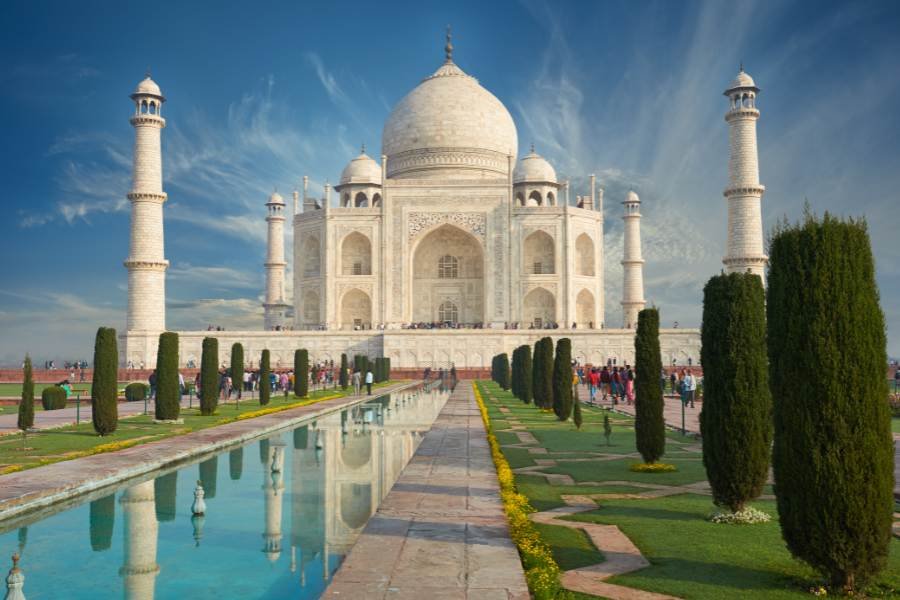
Agra is the most important stop for many travelers because it is home to the Taj Mahal.
The white-marble monument was commissioned by Mughal emperor Shah Jahan in memory of Mumtaz Mahal. Its architecture, decorative details, symmetry, and historical significance make it one of India's most visited landmarks.
A Delhi Agra Jaipur Tour would be incomplete for most first-time visitors without allocating sufficient time for the Taj Mahal.
Visit the Taj Mahal
If your schedule permits, consider visiting the Taj Mahal early in the day. Morning visits can provide softer light for photography, although conditions vary throughout the year.
Allow enough time to enter the complex, pass through security, explore the monument, and take photographs.
Always check official information about opening days, entry requirements, and visiting rules before your trip because regulations may change.
Explore Agra Fort
Agra Fort is another major attraction and should not be overlooked.
This enormous red sandstone complex was an important Mughal residence and military center. Inside, visitors can see courtyards, palaces, halls, and architectural details reflecting different periods of Mughal history.
Some viewpoints also offer views toward the Taj Mahal.
Visit Mehtab Bagh
Mehtab Bagh is located across the Yamuna River from the Taj Mahal. The garden provides a different perspective of the monument and can be especially appealing to photographers.
It is worth considering if you have enough time in Agra and want to see the Taj Mahal from a less traditional viewpoint.
Travel from Agra to Jaipur
After exploring Agra, continue toward Jaipur. The road journey offers an opportunity to experience a changing landscape as you move from Uttar Pradesh toward Rajasthan.
Many travelers choose private cars for this part of the journey because they can combine transportation with sightseeing stops.
Depending on your interests and schedule, you can consider visiting Fatehpur Sikri on the way. This historic Mughal city is located near Agra and contains impressive architectural remains.
However, avoid adding too many stops if you are already following a busy itinerary. Reaching Jaipur with enough energy to enjoy the city is often more valuable than trying to see every attraction along the route.
Explore Jaipur, the Pink City
Jaipur is the final destination of the traditional Golden Triangle. The city is known for its distinctive architecture, royal history, traditional crafts, jewelry, textiles, and colorful markets.
The city offers a different cultural atmosphere from Delhi and Agra, making it an important part of the journey.
Visit Amber Fort
Amber Fort is located on a hill outside central Jaipur and is one of the city's most impressive attractions.
The complex includes grand courtyards, gateways, palaces, decorated halls, and expansive views of the surrounding landscape.
Plan your visit earlier in the day if possible, particularly during warmer months.
Explore City Palace
The City Palace complex provides insight into Jaipur's royal history. Its courtyards, museums, palace buildings, and decorative architecture make it one of the city's most interesting attractions.
Visitors interested in textiles, royal artifacts, artwork, and traditional craftsmanship can spend considerable time exploring the complex.
See Hawa Mahal
Hawa Mahal, also known as the Palace of Winds, is one of Jaipur's most recognizable buildings.
Its distinctive façade contains numerous small windows and balconies. The monument is located in the heart of the old city, making it easy to combine with nearby markets and other attractions.
Visit Jantar Mantar
Jantar Mantar is a historic astronomical observatory containing large-scale instruments designed for astronomical observations.
It is an excellent attraction for visitors interested in science, architecture, and history.
How Should You Travel Between Delhi, Agra, and Jaipur?
Transportation can have a major effect on your overall experience.
Private Car
A private chauffeur-driven vehicle provides the greatest flexibility. You can adjust departure times, stop for refreshments, take photographs, and modify your sightseeing schedule.
This option is particularly useful for families, couples, and travelers who prefer convenience.
Train
Trains can be an efficient way to travel between major cities. They can also provide an opportunity to experience an important part of everyday Indian transportation.
However, first-time visitors should research train schedules, station locations, ticket classes, and luggage arrangements before booking.
Organized Tour
An organized tour can simplify the planning process because transportation, accommodation, sightseeing, and guides may be arranged together.
This can be useful for travelers who prefer having a structured itinerary instead of organizing every part of the journey independently.
Where Should First-Time Visitors Stay?
Choosing the right hotel can make a significant difference.
In Delhi, select accommodation based on your sightseeing plans and access to transportation. Since Delhi is a large city, staying in a convenient area can reduce travel time.
In Agra, consider staying close enough to major attractions to make early sightseeing easier.
Jaipur offers a broad range of accommodation, from modern hotels to heritage properties. Staying at a heritage-style hotel can add a distinctive Rajasthan experience to your trip.
Regardless of destination, consider factors such as cleanliness, location, guest reviews, facilities, and transportation access.
What Should You Eat?
Food is an important part of any Indian holiday.
Delhi is known for Mughlai cuisine, kebabs, North Indian dishes, street food, and modern restaurants. Agra has its own regional specialties, while Jaipur provides opportunities to experience traditional Rajasthani cuisine.
Some dishes you may encounter include:
- Butter chicken
- Biryani
- Kebabs
- Paneer dishes
- Dal baati churma
- Laal maas
- Samosas
- Chaat
- Traditional Indian sweets
If you have dietary restrictions, communicate them clearly to restaurants and hotels. Travelers who are sensitive to spicy food can request milder preparations.
Best Time to Plan Your Trip
The cooler months from October through March are generally popular for sightseeing in Delhi, Agra, and Jaipur.
Temperatures are typically more comfortable than during the peak summer period. However, winter mornings can sometimes experience fog, particularly around Delhi and Agra.
April through June can be extremely hot, while the monsoon season can bring rain and increased humidity.
The best time for your trip depends on your weather preferences, available vacation dates, and the experiences you want to prioritize.
What Should You Pack?
Packing appropriately can make your journey much more comfortable.
Bring lightweight clothing for warm days, along with layers if you are traveling during winter. Comfortable walking shoes are essential because many historical sites involve considerable walking.
Other useful items include:
- Sunglasses
- Sunscreen
- Reusable water bottle
- Personal medications
- Small day bag
- Power adapter
- Comfortable modest clothing
- Copies of important travel documents
A lightweight scarf can also be useful for sun protection and visiting places where more conservative clothing is appropriate.
How to Stay Comfortable During Your Trip
India can be overwhelming for first-time visitors simply because the environment may be very different from what they are accustomed to.
Stay hydrated, take breaks during sightseeing, and avoid packing too many attractions into one day.
Use reputable transportation providers and keep important documents and valuables secure.
If you are traveling during the hotter months, schedule outdoor sightseeing during the cooler parts of the day whenever possible.
How to Avoid a Rushed Itinerary
One of the most common planning mistakes is trying to visit too many attractions in a short period.
The Golden Triangle contains numerous historic monuments, museums, markets, and cultural experiences. You do not need to see everything.
Instead, identify the attractions that matter most to you and build your itinerary around them.
For example, a history enthusiast might spend more time at forts and monuments, while a food lover may prioritize markets and restaurants. Photographers may want additional time at the Taj Mahal, Hawa Mahal, and other architectural landmarks.
A flexible itinerary generally creates a more enjoyable first trip.
Suggested Seven-Day Itinerary
Here is a practical example of how to organize your first journey:
Day 1: Delhi Arrival
Arrive in Delhi, check into your hotel, and rest. If you arrive early, explore a nearby attraction or enjoy a relaxed dinner.
Day 2: Delhi Sightseeing
Visit India Gate, Humayun's Tomb, Qutub Minar, and selected areas of Old Delhi.
Day 3: Delhi to Agra
Travel to Agra and visit Agra Fort. Spend the evening relaxing or exploring the local area.
Day 4: Taj Mahal and Jaipur
Visit the Taj Mahal in the morning before traveling toward Jaipur. Depending on your schedule, consider a stop at Fatehpur Sikri.
Day 5: Jaipur Sightseeing
Explore Amber Fort, City Palace, Jantar Mantar, and Hawa Mahal.
Day 6: Jaipur Cultural Experience
Use the day for shopping, local markets, additional sightseeing, cooking experiences, or a relaxed heritage experience.
Day 7: Departure
Depart Jaipur or travel back to Delhi for your onward flight.
This itinerary can be shortened or extended depending on your travel plans.
Why Choose a Delhi Agra Jaipur Tour?
A Delhi Agra Jaipur Tour is particularly suitable for first-time visitors because it brings together three destinations with very different identities.
You can explore the history of Delhi, admire the Taj Mahal in Agra, and discover the royal heritage of Jaipur within one carefully planned journey.
The route also provides opportunities to experience Indian cuisine, shopping, architecture, crafts, and local traditions. With private transportation or a professionally organized itinerary, you can make the journey more comfortable and adapt the schedule to your interests.
Final Tips for First-Time Visitors
Before leaving home, confirm your accommodation, transportation, travel documents, and major sightseeing plans.
Keep some flexibility in your schedule because traffic, weather, and other unexpected circumstances can affect travel times.
Respect local customs when visiting religious and historic sites. Dress appropriately where required and follow photography rules.
Most importantly, give yourself time to enjoy the journey. The Golden Triangle is not only about checking famous monuments off a list. It is also an opportunity to experience India's food, people, architecture, markets, traditions, and diverse cultural heritage.
Final Thoughts
Planning your first trip to Delhi, Agra, and Jaipur becomes much easier when you divide the journey into manageable sections. Start with Delhi's historic landmarks, continue to Agra for the Taj Mahal and Mughal heritage, and finish in Jaipur with its forts, palaces, markets, and royal traditions.
A Delhi Agra Jaipur Tour can be adapted to suit couples, families, solo travelers, photographers, history enthusiasts, and first-time international visitors. Whether you have four days or a full week, thoughtful planning will help you enjoy the major attractions without making the itinerary unnecessarily hectic.
By choosing suitable transportation, comfortable accommodation, realistic sightseeing schedules, and enough time for rest, you can turn your first Golden Triangle journey into a memorable introduction to India.