What Is the Best 3 Day Delhi Agra Jaipur Tour?
Planning a short trip to India does not mean you have to miss the country's most famous attractions. With a well-organized itinerary, you can explore the highlights of Delhi, Agra, and Jaipur in just three days. This popular route combines India's capital city, the home of the Taj Mahal, and the colorful Pink City of Rajasthan into one memorable journey.
A 3 Day Delhi Agra Jaipur Tour is especially suitable for travelers with limited vacation time who want to experience major historical monuments, Mughal architecture, royal palaces, local markets, and Indian culture. Although the schedule can be busy, careful planning can make the journey comfortable and enjoyable.
The classic route generally follows Delhi → Agra → Jaipur, with the trip ending in Jaipur or returning to Delhi depending on your travel plans. Private transportation is often useful because it allows you to control your sightseeing schedule and travel directly between the major destinations.
In this guide, you will learn how to plan a three-day Delhi, Agra, and Jaipur itinerary, what to see in each city, how to travel between destinations, where to stay, what to eat, and how to make the most of a short trip.
Why Choose a 3-Day Delhi, Agra and Jaipur Tour?
Delhi, Agra, and Jaipur are among the most popular destinations for travelers visiting northern India. Each city offers a different experience.
Delhi combines historic monuments with modern city life. Agra is famous for the Taj Mahal and its Mughal heritage. Jaipur introduces visitors to Rajasthan's forts, palaces, markets, and royal traditions.
The main advantage of a three-day itinerary is that you can experience all three cities without requiring a long vacation. It is particularly useful for international travelers who are already visiting India for another reason, business travelers with a few free days, couples looking for a short cultural trip, or families wanting to see the country's most famous landmarks.
Because the schedule is short, however, it is important to focus on the major attractions rather than attempting to see everything.
What Is the Best Route?
The most practical route for a three-day journey is:
Day 1: Delhi → Agra
Day 2: Agra → Jaipur
Day 3: Jaipur → Delhi or onward destination
This route minimizes unnecessary backtracking and allows you to visit the major attractions in each destination.
If you arrive in Delhi early in the morning, you can begin sightseeing before traveling toward Agra. Alternatively, travelers arriving late may prefer to stay overnight in Delhi and begin the tour the following morning.
The exact route can be adjusted according to your flight schedule, hotel location, sightseeing priorities, and final departure city.
Suggested 3-Day Itinerary
A carefully planned 3 Day Delhi Agra Jaipur Tour should prioritize the most important attractions while allowing enough time for travel, meals, and breaks.
Here is a practical itinerary.
Day 1: Explore Delhi and Travel to Agra
Start your first day with Delhi sightseeing. Depending on your arrival time, you can visit several major attractions before continuing to Agra.
Possible Delhi highlights include:
- Qutub Minar
- Humayun's Tomb
- India Gate
- Red Fort
- Jama Masjid
- Lotus Temple
- Raj Ghat
You should not try to visit all of these attractions in a few hours. Select two or three based on your interests and available time.
Qutub Minar is an impressive historic complex featuring the famous minaret and surrounding monuments. Humayun's Tomb is another important architectural attraction and is associated with the Mughal era.
India Gate is a prominent landmark in central Delhi and can be included during a drive through the city.
After Delhi sightseeing, travel toward Agra. The journey by road generally takes several hours depending on traffic and road conditions.
Once you arrive in Agra, check into your hotel and relax. If time allows, you can visit Mehtab Bagh for views of the Taj Mahal from across the Yamuna River.
An overnight stay in Agra is recommended because it makes it easier to visit the Taj Mahal early the next morning.
Day 2: Taj Mahal, Agra Fort and Jaipur
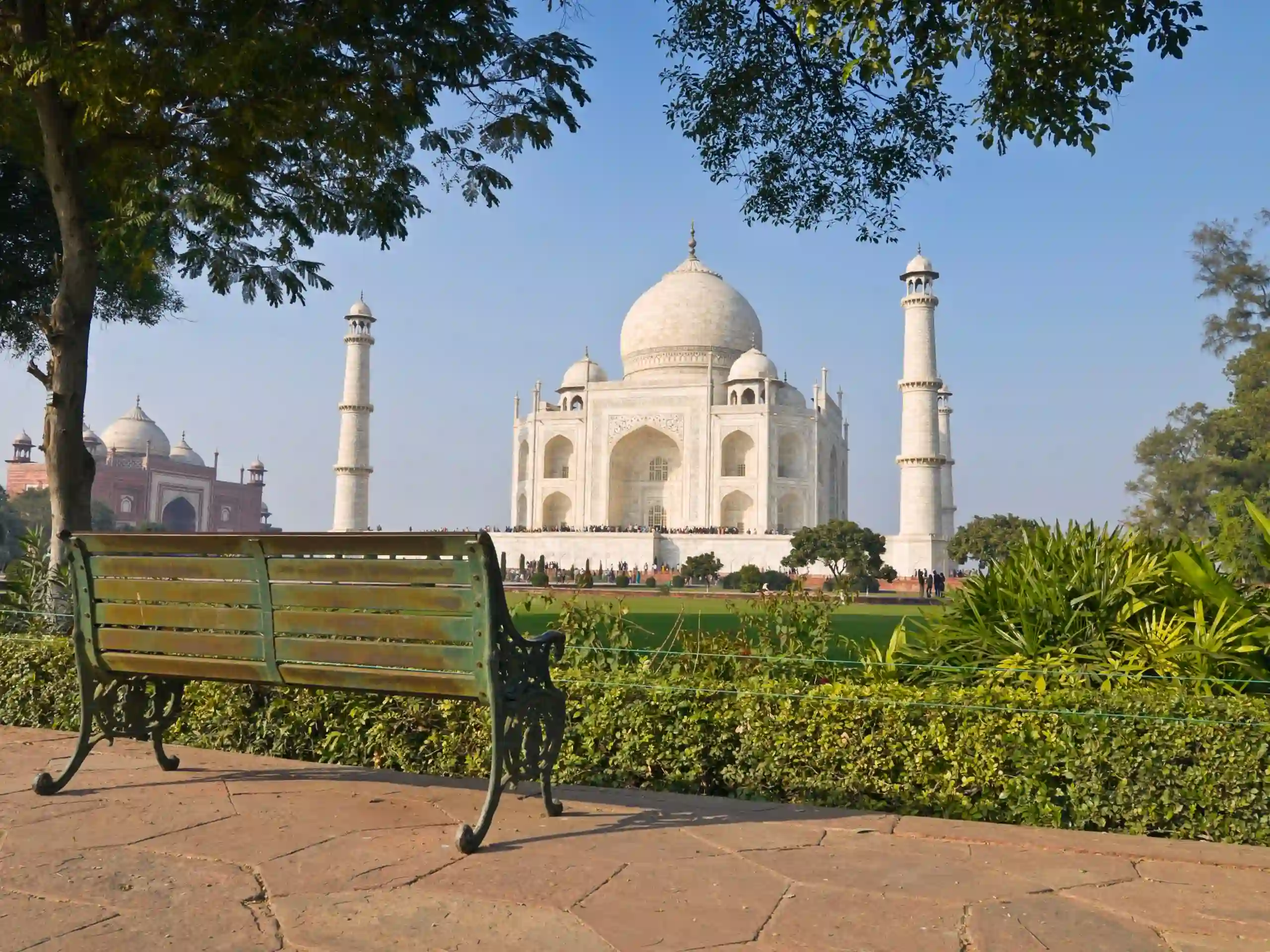
Day two is one of the most important parts of the trip because it includes the Taj Mahal.
Start your morning with a visit to the Taj Mahal. Early morning is popular with travelers because temperatures are generally more comfortable than later in the day, and the changing light can create excellent photography opportunities.
After exploring the Taj Mahal, return to your hotel for breakfast and check out.
Visit Agra Fort
Continue your sightseeing at Agra Fort, another major monument associated with the Mughal period.
The enormous red sandstone complex contains palaces, halls, courtyards, mosques, and other historic structures. From certain areas of the fort, visitors can see the Taj Mahal in the distance.
If your schedule allows, you can also visit Itmad-ud-Daulah's Tomb, often known as the Baby Taj. However, on a three-day itinerary, it is better to prioritize the Taj Mahal and Agra Fort.
Travel from Agra to Jaipur
After sightseeing in Agra, continue toward Jaipur.
The road journey provides an opportunity to see parts of northern India's countryside and smaller towns. Depending on your schedule, you may also consider stopping at Fatehpur Sikri.
Fatehpur Sikri is a historic city associated with Mughal Emperor Akbar. Its impressive buildings and red sandstone architecture make it a worthwhile optional stop.
After reaching Jaipur, check into your hotel and relax.
If you arrive early enough, consider taking an evening walk through a local market or enjoying a traditional Rajasthani dinner.
Day 3: Jaipur Sightseeing and Departure
Your final day focuses on Jaipur, the capital of Rajasthan.
Start with Amber Fort, one of the city's most famous historical attractions. The fort is located outside central Jaipur and features impressive courtyards, gates, palaces, and decorative architecture.
After Amber Fort, continue to the City Palace in the heart of Jaipur.
Visit Hawa Mahal
Hawa Mahal, or the Palace of Winds, is one of Jaipur's most recognizable landmarks. Its distinctive façade features numerous windows and decorative elements.
The monument is particularly popular for photography.
Explore Jantar Mantar
Jantar Mantar is another major Jaipur attraction. The historic astronomical observatory contains large-scale instruments used for astronomical observations.
If time permits, you can explore Jaipur's traditional markets before ending your trip.
Popular shopping areas offer textiles, jewelry, handicrafts, traditional clothing, pottery, and other souvenirs.
After Jaipur sightseeing, you can travel back to Delhi or continue to another destination depending on your travel plans.
What Are the Main Highlights?
A three-day itinerary should concentrate on the signature attractions of each destination.
Delhi Highlights
- Qutub Minar
- Humayun's Tomb
- India Gate
- Red Fort
- Jama Masjid
- Lotus Temple
- Old Delhi markets
Choose only a few attractions because traffic can significantly affect your schedule.
Agra Highlights
- Taj Mahal
- Agra Fort
- Itmad-ud-Daulah's Tomb
- Mehtab Bagh
- Local handicraft markets
The Taj Mahal should remain the main priority during a short visit.
Jaipur Highlights
- Amber Fort
- City Palace
- Hawa Mahal
- Jantar Mantar
- Jal Mahal
- Local bazaars
The combination of forts, palaces, architecture, and shopping makes Jaipur different from both Delhi and Agra.
Why Is a Private Car Useful?
A private car and driver can be particularly convenient for a short itinerary.
Public transportation can be economical, but changing between trains, taxis, buses, and local transportation can consume valuable time.
With a private car, you can travel directly from your hotel to attractions and between cities. You can also adjust the schedule when necessary.
For families and small groups, a private vehicle can make luggage handling and hotel transfers easier.
A professional driver who knows the route can also help with navigation and parking.
If you want detailed historical information, you can hire local guides in Delhi, Agra, and Jaipur. A guide can explain the history, architecture, stories, and cultural significance of the monuments.
Is Three Days Enough?
Three days is enough to see the major highlights, but it is not enough to explore every attraction in depth.
The itinerary will be relatively fast-paced. You will spend a significant amount of time traveling between destinations, especially if you are returning to Delhi after Jaipur.
For travelers who prefer slow travel, five or six days may be more comfortable.
However, if your priority is to see the Taj Mahal, major Delhi landmarks, and Jaipur's most famous attractions within a short vacation, three days can work well.
The key is to avoid overloading your itinerary.
Where Should You Stay?
Accommodation should be selected based on convenience and location.
In Delhi, choose a hotel with reasonable access to your planned sightseeing areas and transportation routes.
In Agra, staying near the Taj Mahal can be helpful if you plan to visit the monument early in the morning.
In Jaipur, staying close to the historic city areas can make it easier to reach attractions and markets.
For a short trip, do not choose a hotel solely because it is inexpensive. A slightly more convenient location can save significant travel time.
What Is the Best Time to Take This Tour?
The cooler months are generally popular for visiting Delhi, Agra, and Jaipur.
From approximately October through March, daytime conditions are often more suitable for sightseeing than during the hottest part of the year.
December and January can have cool mornings and evenings, particularly in Delhi and Agra.
The summer months can be very hot, so travelers visiting during this period should plan outdoor sightseeing earlier in the day, drink plenty of water, and take breaks.
The monsoon season can bring rain and humidity, but it can also create greener landscapes.
Your choice should depend on your preferred weather, travel schedule, and budget.
What Should You Eat?
Food is an important part of the Delhi, Agra, and Jaipur experience.
Delhi is known for its diverse cuisine, including Mughlai dishes, kebabs, parathas, chaat, and street food.
Agra has strong Mughal culinary influences and offers local specialties and sweets.
Jaipur is famous for Rajasthani cuisine. Travelers can try dal baati churma, gatte ki sabzi, ker sangri, and traditional sweets.
If you are not accustomed to spicy food, let restaurant staff know when ordering.
For drinking water, travelers generally choose bottled or properly filtered water.
Shopping on a Three-Day Trip
You can include shopping, but it should not take priority over the major monuments.
Delhi offers clothing, handicrafts, souvenirs, and a variety of traditional and modern shopping areas.
Agra is known for marble handicrafts, leather products, textiles, and Taj Mahal-inspired souvenirs.
Jaipur is particularly famous for jewelry, textiles, block-printing, blue pottery, handicrafts, and traditional clothing.
When purchasing expensive products such as gemstones or jewelry, use established shops and request appropriate documentation.
What Should You Pack?
Because you will move between three cities in only three days, pack light.
Useful items include:
- Comfortable walking shoes
- Lightweight clothing
- Sunglasses
- Sunscreen
- Reusable water bottle
- Travel documents
- Personal medications
- Small day bag
- Phone charger
- Power bank
- Light jacket during cooler months
Comfortable footwear is especially important because sightseeing often involves walking through large monument complexes.
If you plan to visit religious sites, modest clothing can be useful.
Can You Add Fatehpur Sikri?
Yes, Fatehpur Sikri can be added between Agra and Jaipur if your schedule permits.
The historic city is located near Agra and contains impressive Mughal-era architecture.
However, because the three-day itinerary is already busy, you should only add Fatehpur Sikri if you have enough time.
Trying to add too many attractions can make the journey tiring and reduce the time available for the Taj Mahal and Jaipur sightseeing.
Can Ranthambore Be Added?
Ranthambore is another popular addition for travelers interested in wildlife.
However, adding Ranthambore to a three-day Delhi, Agra, and Jaipur itinerary is difficult because a proper wildlife experience generally requires additional time.
If you want to include Ranthambore National Park and a safari, consider extending the trip to at least four or five days.
A longer route could follow:
Delhi → Agra → Ranthambore → Jaipur → Delhi
This provides a combination of historic monuments, wildlife, and Rajasthan's cultural attractions.
How to Save Time During the Tour
Time management is one of the most important parts of a short trip.
Book accommodation in advance and choose convenient locations.
Arrange transportation before starting the journey.
Keep your sightseeing list realistic.
Start early whenever possible.
Avoid spending too much time shopping during the main sightseeing periods.
Keep some flexibility for traffic and unexpected delays.
A private driver can also help coordinate transportation between hotels, monuments, restaurants, and cities.
Important Tips for First-Time Visitors
India can be very different from what first-time visitors expect, so preparation helps.
Keep important documents secure and maintain digital copies of passports, visas, tickets, and hotel confirmations.
Carry some local currency for small purchases, although cards and digital payments are available in many places.
Dress comfortably and respectfully, particularly when visiting religious sites.
Be cautious in crowded tourist areas and keep valuable belongings secure.
Follow monument rules regarding photography, restricted areas, and prohibited items.
Most importantly, do not try to rush through every attraction. Choose the places that matter most to you and enjoy them.
Who Should Choose a Three-Day Tour?
A three-day itinerary is suitable for travelers who have limited vacation time and want to see India's major northern attractions.
It can work particularly well for:
- First-time visitors to India
- Couples
- Families
- Small groups
- Business travelers
- Travelers with limited vacation days
- Visitors arriving through Delhi
If you have more time, extending the itinerary can provide a more relaxed experience.
How to Customize Your Itinerary
One of the biggest advantages of a private tour is flexibility.
You can adjust the itinerary based on your interests.
History enthusiasts can spend more time at monuments.
Photography lovers can schedule sunrise and sunset visits.
Families may prefer fewer attractions and more rest breaks.
Food lovers can dedicate time to local restaurants and culinary experiences.
Shoppers can reserve an evening for traditional markets.
Wildlife enthusiasts can extend the trip to include Ranthambore.
The 3 Day Delhi Agra Jaipur Tour can therefore be adapted to suit different travel styles while maintaining the core Delhi, Agra, and Jaipur route.
Final Thoughts
A well-planned three-day journey can introduce you to some of India's most famous destinations in a surprisingly short amount of time. Delhi provides a combination of history and modern culture, Agra showcases the Taj Mahal and Mughal heritage, and Jaipur introduces travelers to Rajasthan's forts, palaces, markets, and traditions.
The 3 Day Delhi Agra Jaipur Tour is best suited to travelers who want a fast-paced introduction to northern India without committing to a long vacation.
The most important part of planning is to keep the itinerary realistic. Focus on the major attractions, choose convenient accommodation, arrange reliable transportation, and leave enough time for meals and breaks.
If you can extend your trip, consider adding an extra night in Agra or Jaipur. Travelers interested in wildlife can also add Ranthambore, while those with more time can continue toward Udaipur, Pushkar, or other destinations in Rajasthan.
With good planning and a flexible schedule, three days can provide an exciting introduction to Delhi, Agra, and Jaipur and leave you with memorable experiences of India's history, architecture, cuisine, and culture.
Frequently Asked Questions
1. Is three days enough for Delhi, Agra and Jaipur?
Yes. Three days can cover the major highlights, although the itinerary will be fast-paced. Travelers who prefer a slower experience should consider five or more days.
2. What is the best route for three days?
The most practical route is Delhi → Agra → Jaipur, followed by a return to Delhi or onward travel from Jaipur.
3. Can I see the Taj Mahal during the tour?
Yes. The Taj Mahal should be one of the main priorities, and an early morning visit can fit well into the itinerary.
4. Should I hire a private car?
A private car can save time and provide greater flexibility, particularly when traveling between three cities within a short period.
5. Can I add Fatehpur Sikri?
Yes. Fatehpur Sikri can be included between Agra and Jaipur if your schedule allows.
6. Can I add Ranthambore?
Ranthambore is possible, but you should extend the trip because adding a wildlife safari to a three-day itinerary can make the schedule too demanding.
7. Which city should I spend the night in?
For this route, an overnight stay in Agra after traveling from Delhi is particularly useful because it allows you to visit the Taj Mahal early the following morning before continuing to Jaipur.