How to Plan a Delhi Agra Jaipur Tour in 5 Days?
Planning a Delhi Agra Jaipur Tour in 5 Days is an excellent way to experience three of North India's most fascinating destinations without needing a long vacation. In just five days, you can discover the historic streets and grand monuments of Delhi, admire the timeless beauty of the Taj Mahal in Agra, and explore the colorful palaces, forts, and bazaars of Jaipur. The journey is often called the Golden Triangle Tour because the three cities form a roughly triangular route on the map and collectively showcase an extraordinary mix of India's history, architecture, food, culture, and modern life.
The biggest challenge is not deciding whether five days is enough; it is organizing the route intelligently. You do not want to spend your holiday constantly packing bags, sitting in traffic, or rushing through monuments just to tick them off a list. A good itinerary balances sightseeing with travel time and leaves enough breathing room to enjoy each destination. The most practical route is generally Delhi → Agra → Jaipur, although the direction can be reversed depending on your arrival and departure flights. With an early start, private transportation or well-planned train journeys, and advance hotel bookings, five days can provide a surprisingly complete introduction to the Golden Triangle.
Why Choose a Five-Day Golden Triangle Itinerary?
Five days is a sweet spot for travelers who want more than a rushed weekend but cannot spend a full week or two exploring northern India. Delhi alone can easily occupy several days because the city combines Mughal monuments, British-era architecture, colorful markets, religious sites, museums, and modern neighborhoods. Agra is smaller but contains some of India's most famous historical attractions, while Jaipur offers an entirely different atmosphere with its pink-colored streets, royal architecture, craft markets, and Rajasthani traditions.
A carefully organized Delhi Agra Jaipur Tour in 5 Days gives you enough time to see the major highlights without treating every destination like a quick photo stop. You can dedicate roughly two days to Delhi, one day to Agra, and two days to Jaipur, with travel integrated into the schedule. This distribution works particularly well for first-time visitors because it gives Delhi enough attention while allowing Agra and Jaipur to remain relaxed.
Another advantage is the relatively straightforward road connection between the three cities. Delhi to Agra is commonly covered by expressway or train, while Agra to Jaipur can be traveled by road. The distances are manageable, so you do not need to lose an entire day to transportation. That makes the Golden Triangle particularly suitable for travelers who want to combine major sightseeing with a limited vacation schedule.
Day 1: Discover the Highlights of Delhi
Begin your journey in Delhi, India's enormous capital and the natural starting point for many international travelers. Because Delhi is large and traffic can be unpredictable, planning your first day around nearby clusters of attractions is much smarter than constantly crossing the city. Start early and focus on the historical heart of Old Delhi before moving toward central or southern Delhi later in the day.
One of the most memorable places to begin is Jama Masjid, one of the city's most important historic mosques. From there, you can explore the lively streets of Old Delhi and experience an atmosphere that feels completely different from modern commercial areas. A rickshaw ride through the narrow lanes can be a fun addition if you want to experience the area's energetic character without walking the entire route.
Continue toward Red Fort, a magnificent Mughal-era complex and one of Delhi's most recognizable landmarks. The fort's massive walls and elaborate interior buildings provide an excellent introduction to the Mughal influence that you will continue to encounter in Agra.
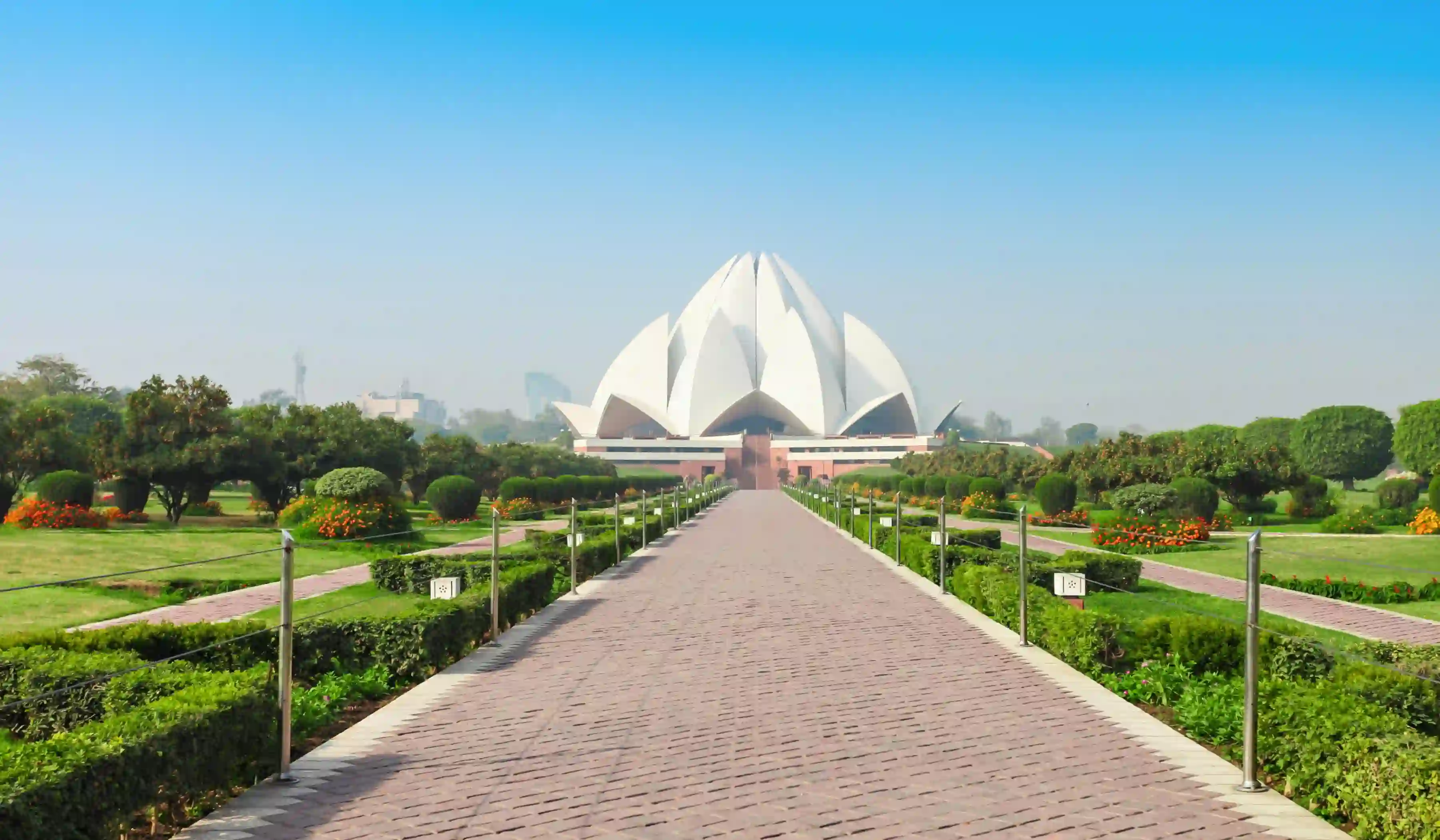
After exploring Old Delhi, take a break for lunch before visiting another major attraction. Depending on your interests and available time, you could visit India Gate, Humayun's Tomb, Qutub Minar, or the Lotus Temple. Trying to visit every attraction in one afternoon is unnecessary. Pick one or two that genuinely interest you and enjoy them properly.
For the evening, consider visiting a local market or enjoying traditional Indian cuisine. Delhi's food scene ranges from street food and traditional North Indian dishes to international restaurants. An early night is advisable because your second day begins with more sightseeing.
Day 2: Explore More of Delhi and Prepare for Agra
Your second Delhi day should focus on attractions that you did not visit on the first day. If Qutub Minar was skipped previously, it can be an excellent morning destination. The towering minaret and surrounding archaeological complex provide a completely different architectural experience from Old Delhi.
Humayun's Tomb is another strong choice, especially for travelers interested in Mughal architecture. Its gardens and symmetrical design make it both historically important and visually impressive. The monument is also interesting because its architectural style is often discussed in relation to the later development of Mughal architecture.
After sightseeing, use the afternoon for a more relaxed experience. You could explore Connaught Place, visit a museum, shop for souvenirs, or simply enjoy a leisurely lunch. This slower period is useful because constantly sightseeing from morning until night can become tiring.
If your schedule permits, organize your transportation and luggage for the following morning before going to bed. Confirm your hotel booking in Agra, check your driver's pickup time or train schedule, and keep essential travel items accessible.
This small amount of preparation can make the next morning much smoother. One of the easiest ways to ruin a short itinerary is to begin each travel day wondering where your transportation is or where your luggage needs to go.
Day 3: Delhi to Agra and the Taj Mahal
Day three is when the itinerary moves from India's capital toward Agra. An early departure is ideal because it gives you more time to explore Agra after arrival. Depending on your preferences, you can travel by private car, taxi, or train. Private transportation provides greater flexibility, particularly if you want to stop along the way or continue directly to Jaipur after your Agra sightseeing.
Once you arrive in Agra, the Taj Mahal should be your first major sightseeing priority if your timing allows. The monument is one of the world's most famous examples of Mughal architecture and was commissioned by Shah Jahan as a mausoleum for Mumtaz Mahal.
Do not rush your Taj Mahal visit. Give yourself several hours to explore the entrance area, gardens, main mausoleum, decorative details, and surrounding architecture. The monument looks different depending on the direction of the light, weather conditions, and viewing position, so walking through the gardens instead of taking one photograph and leaving is worthwhile.
After visiting the Taj Mahal, have lunch and take some time to relax. If you still have energy, visit Agra Fort, another UNESCO World Heritage Site and one of the city's most important historical landmarks. Its enormous red sandstone walls, royal residences, audience halls, and courtyards reveal a different side of Mughal history.
From parts of Agra Fort, you can also see the Taj Mahal in the distance. This connection between the two monuments makes visiting them on the same day particularly rewarding.
Day 4: Agra to Jaipur and the Pink City
Day four begins with the journey from Agra to Jaipur. This road trip is an important part of the Golden Triangle route and offers the opportunity to see more of the landscape outside India's major cities. If you leave Agra in the morning, you can reach Jaipur with enough time to explore some attractions after checking into your hotel.
Jaipur, often called the Pink City, is the capital of Rajasthan and has a distinctly different personality from both Delhi and Agra. Its historic center features colorful markets, traditional architecture, royal palaces, and impressive fortifications.
Begin your Jaipur sightseeing with City Palace, where courtyards, royal residences, gateways, and museums provide insight into Jaipur's former royal family and artistic traditions. Take your time here because the complex contains several different sections and decorative styles.
You can then explore the area around Jantar Mantar, the historic astronomical observatory located close to City Palace. Its enormous geometric instruments may look unusual at first, but they demonstrate the sophisticated astronomical knowledge used centuries ago.
Another iconic Jaipur landmark is Hawa Mahal, famous for its distinctive façade filled with small windows. The building is particularly photogenic from the street, and nearby markets provide opportunities to browse textiles, handicrafts, jewelry, and other Rajasthani products.
Finish the day with a traditional Rajasthani dinner. Jaipur is a wonderful place to try regional dishes, and a cultural performance can make the evening even more memorable if you have the time and interest.
Day 5: Amber Fort and Final Jaipur Experiences
Your final day should begin early with a visit to Amber Fort, located outside Jaipur's central area. The fort is one of Rajasthan's most impressive architectural attractions, combining massive defensive walls with ornate palaces, courtyards, gateways, and decorative interiors.
The location itself adds to the experience. Built into the hills, Amber Fort offers broad views of the surrounding landscape and demonstrates how Rajput rulers combined defensive architecture with royal living spaces.
After exploring the fort, you can visit Jal Mahal for photographs or return toward the city center for shopping. Jaipur's markets are ideal for travelers looking for souvenirs, textiles, handicrafts, traditional jewelry, block-printed fabrics, and decorative items.
Do not underestimate the value of leaving some free time on your final day. A five-day trip can become exhausting if every hour is filled with scheduled sightseeing. Having a relaxed lunch, drinking a cup of Indian tea, or walking through a local market without a strict destination can become one of the most enjoyable memories of the trip.
If your flight departs from Jaipur, arrange airport transportation based on your departure time. If you need to return to Delhi for your international flight, allow plenty of additional travel time and consider whether flying from Jaipur would be more convenient.
Best Transportation for the Golden Triangle
Transportation can make or break a five-day itinerary. The most convenient option for many international visitors is a private car with a professional driver. This provides door-to-door transportation, flexible departure times, and the ability to adjust the itinerary when necessary.
Trains are another excellent option, particularly between Delhi and Agra. India's rail network provides fast and practical connections between major cities, although travelers should book suitable services in advance and allow time for reaching stations.
For the Agra-to-Jaipur section, private road transportation is often convenient because it eliminates the need to coordinate multiple transfers. It can also allow you to stop at attractions such as Fatehpur Sikri if your schedule permits.
| Travel Route | Practical Option | Approximate Planning |
|---|---|---|
| Delhi → Agra | Express train or private car | Morning departure |
| Agra → Jaipur | Private car or bus | Morning/afternoon |
| Jaipur → Airport | Taxi/private transfer | Based on flight time |
The best choice depends on your budget, comfort preferences, group size, and departure arrangements.
Where Should You Stay?
Hotel location matters almost as much as hotel quality when you only have five days. In Delhi, staying somewhere with convenient access to your planned sightseeing areas can reduce unnecessary travel. In Agra, a hotel near the Taj Mahal can make an early morning visit easier.
In Jaipur, consider staying within or near the historic city area if you want convenient access to major attractions and markets. There are luxury hotels, boutique properties, heritage hotels, and budget accommodations available across all three cities.
Rather than choosing a hotel solely because it has a high rating, look at its location, recent reviews, transportation access, and check-in policies. A beautiful hotel located far from your sightseeing route may cost you more time than you expect.
What Is the Best Time for a Five-Day Tour?
The cooler months are generally more comfortable for extensive sightseeing in Delhi, Agra, and Jaipur. Winter mornings can be cool, while afternoons may be pleasant for walking. Spring and autumn can also be enjoyable depending on weather conditions.
Summer can be extremely hot, particularly during the middle of the day. If you travel during warmer months, schedule outdoor sightseeing for early morning and late afternoon whenever possible. Stay hydrated and take breaks rather than attempting to walk continuously under strong sunlight.
The monsoon season can bring rain and humidity, although it also gives the landscape a different appearance. The best travel period ultimately depends on your tolerance for heat, your preferred experience, and the specific dates available to you.
What Should You Pack?
Packing for the Golden Triangle does not need to be complicated. Comfortable walking shoes are essential because you will spend considerable time exploring monuments, forts, gardens, and markets.
Lightweight clothing is useful in warmer weather, while layers are helpful during cooler months. Sunglasses, sunscreen, a hat, and a reusable water bottle can also make sightseeing more comfortable.
A small day bag is preferable to carrying a large backpack into every attraction. Keep your passport, phone, money, medications, and other essential items secure and accessible.
Respect local customs when visiting religious buildings. Clothing that covers shoulders and knees is a sensible choice for many religious and cultural sites, and always follow the specific rules displayed at the attraction.
How to Make the Tour Less Rushed
The biggest mistake people make when planning a Delhi Agra Jaipur Tour in 5 Days is trying to include every attraction mentioned in a travel guide. You do not need to see everything to have a memorable trip.
Instead, identify your top priorities in each city. In Delhi, that might be the Red Fort, Qutub Minar, and Humayun's Tomb. In Agra, the Taj Mahal and Agra Fort may be enough. In Jaipur, Amber Fort, City Palace, Hawa Mahal, and Jantar Mantar could form the core itinerary.
Build your day around these priorities and treat additional attractions as optional. This approach gives you flexibility when traffic, weather, queues, or simple tiredness interfere with your original schedule.
Travel is not a race. Sometimes the best memories happen when you stop checking the clock.
Is a Guide Worth It?
A knowledgeable local guide can add substantial value to a Golden Triangle trip. Delhi, Agra, and Jaipur are filled with historical details that are easy to miss when you are simply walking through a monument.
A guide can explain why a building was constructed, how rulers used a particular palace, what architectural details mean, and how different historical periods influenced the cities. This is especially helpful at large sites such as Amber Fort, Agra Fort, and the Red Fort.
If you prefer independent travel, you can explore without a guide and use official information boards or reputable audio resources. The important thing is to choose the style that makes sightseeing enjoyable for you.
Budget Planning for the Golden Triangle
Your total cost will depend heavily on hotel category, transportation, food, guide services, entrance fees, and shopping. A budget traveler can keep costs relatively low by using trains, affordable hotels, and local restaurants, while luxury travelers can choose premium hotels, private vehicles, and high-end dining.
Create separate budgets for accommodation, transportation, sightseeing, meals, and shopping. This makes it easier to understand where your money is going.
It is also sensible to keep a small emergency allowance. Unexpected transportation costs, changes to plans, or spontaneous experiences can happen on any trip.
Do not choose the cheapest possible option for everything. In a five-day itinerary, paying a little more for reliable transportation and a well-located hotel can save considerable time and reduce stress.
A Sample Five-Day Schedule
A simple schedule can help you visualize how the trip fits together:
| Day | Destination | Main Experiences |
|---|---|---|
| Day 1 | Delhi | Old Delhi, Jama Masjid, Red Fort, local markets |
| Day 2 | Delhi | Qutub Minar, Humayun's Tomb, India Gate/other attraction |
| Day 3 | Agra | Taj Mahal, Agra Fort, local sightseeing |
| Day 4 | Jaipur | Travel to Jaipur, City Palace, Jantar Mantar, Hawa Mahal |
| Day 5 | Jaipur | Amber Fort, Jal Mahal, shopping, departure |
This itinerary is intentionally flexible. Your actual schedule should be adjusted according to your arrival and departure times.
Final Thoughts
A Delhi Agra Jaipur Tour in 5 Days can be an exciting introduction to India's rich history, architecture, food, and culture. The journey takes you from the energetic capital of Delhi to the romantic monument of the Taj Mahal in Agra and finally into the royal world of Jaipur. Although five days is not enough to explore every corner of these destinations, it is sufficient to experience their most important highlights when the route is planned carefully.
The key is to prioritize rather than overload your schedule. Start early, choose convenient hotels, organize transportation in advance, and leave enough breathing room between major attractions. Whether you travel privately, by train, or through an organized tour, a well-balanced itinerary will make the experience considerably more enjoyable.
Most importantly, give yourself time to experience the atmosphere of each destination. Taste local food, talk to people, explore a market, admire the architecture, and occasionally put the camera away. The Golden Triangle is not simply a collection of famous monuments; it is a journey through centuries of Indian history and living culture.
If you plan thoughtfully, five days can be enough to create a trip filled with remarkable sights, unforgettable photographs, and stories you will remember long after you return home.
FAQs
1. Is five days enough for a Delhi Agra Jaipur tour?
Yes, five days can be enough to see the major attractions in Delhi, Agra, and Jaipur. The key is to follow a practical route and avoid adding too many attractions to each day.
2. What is the best route for the Golden Triangle?
The most common route is Delhi → Agra → Jaipur, although you can reverse it depending on your flight schedule. Both directions work well when transportation is organized in advance.
3. How many days should I spend in Delhi, Agra, and Jaipur?
For a five-day itinerary, two days in Delhi, one day in Agra, and two days in Jaipur is a practical distribution. Travelers with additional time can extend their stay in each city.
4. Can I visit the Taj Mahal and Agra Fort on the same day?
Yes. The two attractions are relatively close to each other, making it practical to visit both during a single day in Agra. Starting early gives you more flexibility.
5. Is a private car better than trains for the Golden Triangle?
A private car offers greater flexibility and convenient hotel-to-hotel transportation, while trains can be faster and economical on certain routes. Your best choice depends on your budget, comfort preferences, and itinerary.