Can You Visit the Taj Mahal and Agra Fort in One Day?
Yes, you can easily visit Taj Mahal and Agra Fort in one day. In fact, combining these two iconic attractions is one of the best ways to experience Agra when you have limited time. Both monuments are located within a short driving distance of each other, so you can comfortably explore them without spending most of your day traveling. The Taj Mahal offers the unforgettable experience of seeing one of the world's most recognized monuments, while Agra Fort takes you deeper into Mughal history through its enormous gates, courtyards, palaces, mosques, and defensive walls.
A well-planned day can give you enough time to enjoy both attractions without making the trip feel like a race. The secret is simple: start early, visit the Taj Mahal during the morning, take a break for breakfast or lunch, and then spend the afternoon exploring Agra Fort. Depending on your interests, you can also include another nearby attraction if you have additional time. Whether you are traveling from Delhi, staying overnight in Agra, or arriving by train, this itinerary can work remarkably well.
Why Visit the Taj Mahal and Agra Fort on the Same Day?
Agra is one of India's most rewarding destinations for travelers interested in architecture, history, culture, and photography. What makes the city particularly convenient is that several of its major attractions are concentrated within a relatively small area. Instead of spending an entire day moving between distant locations, you can focus your time on the monuments themselves.
The Taj Mahal is naturally the highlight for most first-time visitors. Built by Mughal emperor Shah Jahan in memory of his wife Mumtaz Mahal, the monument is celebrated for its white marble architecture, symmetrical gardens, intricate decorative details, and changing appearance under different light. Visiting in the morning gives you the opportunity to appreciate the monument before the day becomes too hot and crowded.
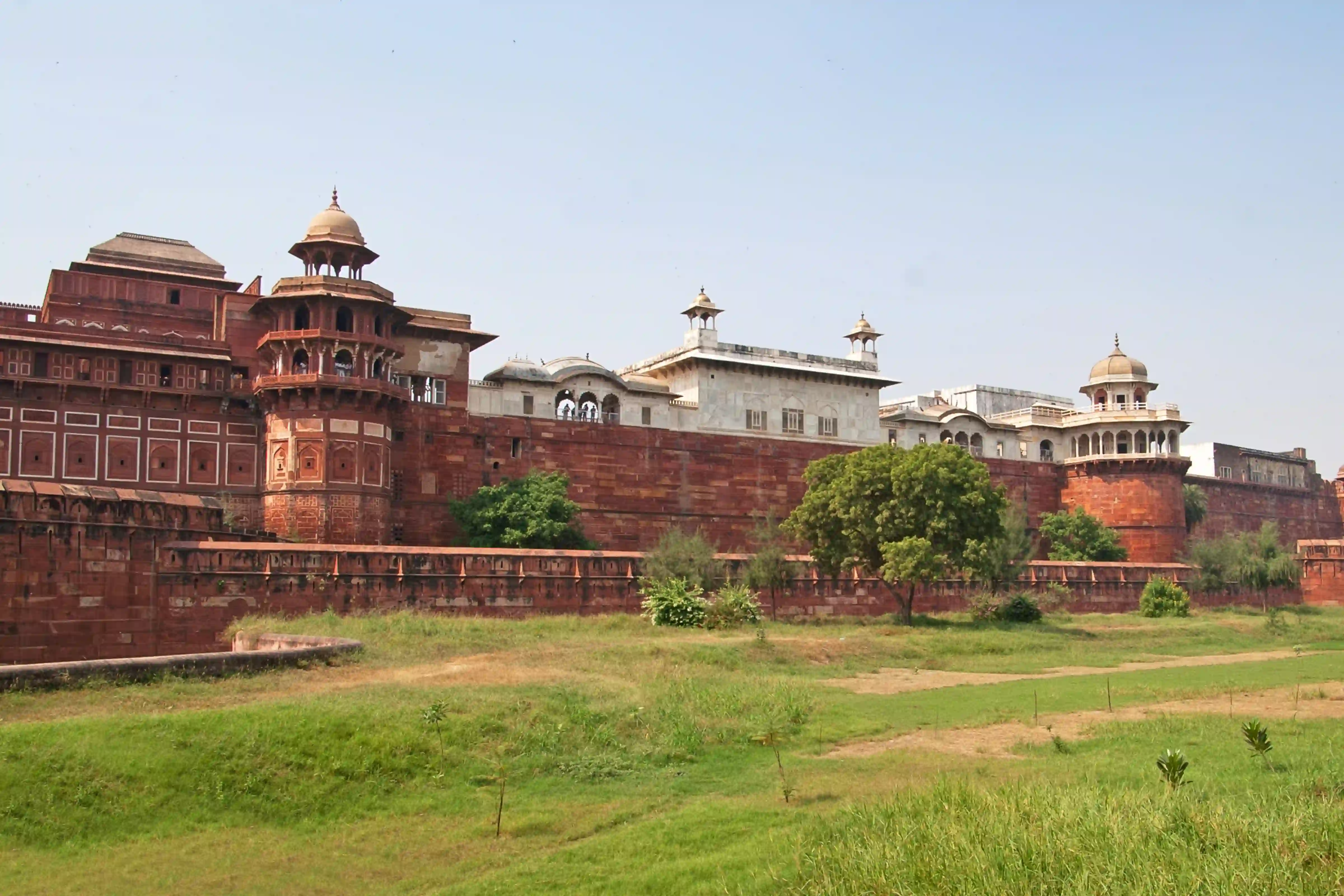
Agra Fort provides a completely different experience. Constructed primarily from red sandstone, the massive fort complex was an important Mughal imperial residence and military stronghold. Walking through its gates feels almost like stepping into another chapter of the same historical story. You can see grand halls, royal residences, courtyards, mosques, and viewpoints toward the Taj Mahal.
That contrast is exactly why visiting both attractions together makes sense. The Taj Mahal tells a story of love, artistry, and imperial ambition, while Agra Fort reveals the power and complexity behind the Mughal court.
How Much Time Do You Need?
For most travelers, around 2.5 to 3 hours at the Taj Mahal is enough to explore the main complex at a comfortable pace. You will want time for walking through the gardens, viewing the monument from different angles, visiting the mausoleum area, taking photographs, and simply appreciating the architecture. If photography is a major priority, you may want to allow a little longer.
Agra Fort deserves approximately 2 to 2.5 hours. The complex is considerably larger than many first-time visitors expect, and rushing through it can mean missing some of its most interesting architectural details. Give yourself enough time to walk through the principal areas, understand the historical significance of the buildings, and stop at viewpoints overlooking the Yamuna River and the Taj Mahal.
You should also allow time for transportation, security checks, meals, and short breaks. A realistic full-day schedule could therefore look something like this:
| Activity | Suggested Time |
|---|---|
| Arrive at Taj Mahal | Early morning |
| Explore Taj Mahal | 2.5–3 hours |
| Breakfast / refreshment | 45–60 minutes |
| Travel to Agra Fort | Around 15–20 minutes |
| Explore Agra Fort | 2–2.5 hours |
| Lunch | 1 hour |
| Optional attraction / shopping | 1–2 hours |
| Depart Agra | Late afternoon or evening |
The exact timing depends on the season, traffic, opening schedules, queues, and your travel arrangements. Still, the basic structure works well for a one-day visit.
What Is the Best Time to Visit the Taj Mahal?
An early morning start is usually the smartest choice for a one-day Agra sightseeing plan. The Taj Mahal is particularly beautiful during the softer morning light, and starting early gives you more time to enjoy the monument before the day's heat becomes uncomfortable.
Morning also tends to work well for travelers who want photographs. The white marble responds beautifully to changing sunlight, and the monument can look subtly different as the light moves across its surfaces. If you arrive with enough time, you can first photograph the Taj Mahal from the entrance area before walking through the gardens toward the main monument.
Another advantage of starting early is that you preserve flexibility for the rest of your day. If the Taj Mahal takes slightly longer than expected, you still have plenty of time for Agra Fort afterward. By contrast, beginning your sightseeing late can force you to rush through one of the attractions.
Before planning your exact schedule, always check the current official opening arrangements and closure information because monument access can vary by day, special occasion, or administrative decision. The Taj Mahal is traditionally closed to visitors on Fridays, so this is particularly important when planning your trip.
Exploring the Taj Mahal
The Taj Mahal experience begins before you even reach the monument itself. As you approach through the entrance complex, the anticipation builds gradually. Then, when the monument finally appears through the gateway, you understand why it has attracted travelers from around the world for centuries.
The main mausoleum is famous for its balanced proportions and white marble exterior. Look closely rather than simply taking the standard front-facing photograph. You will notice delicate floral decoration, calligraphy, geometric patterns, marble inlay, and architectural details that can easily disappear when viewed from a distance.
The surrounding gardens are also an important part of the experience. The carefully arranged pathways, reflecting pools, lawns, and trees create the famous symmetrical composition associated with photographs of the monument. Take your time walking through the gardens instead of immediately heading toward the main structure.
Inside the mausoleum, the atmosphere changes. The elaborate exterior gives way to a quieter interior decorated with marble screens and ornamental work. Photography restrictions may apply in particular areas, so follow the current visitor instructions.
Photography Tips at the Taj Mahal
If you want memorable photographs, avoid taking only the standard postcard shot. Walk along the garden pathways and experiment with different perspectives. The monument can look dramatically different depending on whether you photograph it from the central axis, from the side, or through architectural frames.
Early morning is especially useful because softer light can create a more atmospheric appearance. During busy periods, patience is valuable. Rather than trying to photograph everything immediately, wait for a moment when people naturally move out of your preferred composition.
Most importantly, remember that the Taj Mahal is more than a backdrop for photographs. Spend a few minutes simply looking at the architecture without your phone. That small pause can make the visit feel much more meaningful.
Exploring Agra Fort
After your Taj Mahal visit, Agra Fort is the natural next stop. The journey between the two monuments is short, making the transition easy even when traveling with family or older visitors.
Agra Fort is enormous compared with what many tourists initially imagine. Its imposing red sandstone walls immediately communicate strength and authority. Once inside, the complex opens into a fascinating mixture of courtyards, royal residences, audience halls, mosques, gardens, and defensive structures.
The fort developed over several periods, but its transformation under the Mughal emperors made it one of the most important imperial complexes in northern India. Akbar began major construction at the site in the 16th century, and later rulers including Shah Jahan modified and expanded parts of the complex.
One of the most memorable aspects of Agra Fort is its connection with the Taj Mahal. From certain areas within the fort, visitors can see the Taj Mahal across the Yamuna River. This connection adds another layer to your sightseeing experience because you are not simply viewing two unrelated monuments; you are seeing places deeply connected to Mughal history.
Take time to notice the difference between the two sites. The Taj Mahal is dominated by white marble and carefully balanced symmetry, while Agra Fort combines massive defensive architecture with luxurious palace spaces.
A Practical One-Day Agra Itinerary
A successful one-day trip does not require you to squeeze every possible attraction into your schedule. Instead, focus on the experiences that matter most.
Start your day early and make the Taj Mahal your first major stop. Spend approximately three hours exploring the complex. Walk through the gardens, see the main mausoleum, appreciate the marble craftsmanship, and take photographs from different viewpoints.
After leaving the Taj Mahal, stop for breakfast or an early meal depending on your arrival time. A short break is valuable because sightseeing involves more walking than many visitors expect. It also gives you an opportunity to cool down and recharge before exploring the fort.
Next, head to Agra Fort. Plan for around two hours or slightly more if you enjoy history and architecture. Rather than trying to see every corner, focus on the major palace areas and viewpoints. Listen to your guide if you have one because historical context can transform a collection of old buildings into a much more interesting story.
After Agra Fort, you can have lunch and decide whether you want to add another experience. Depending on your schedule, options may include Mehtab Bagh, Itmad-ud-Daulah, local handicraft shopping, or a relaxed meal before departure.
This approach gives you structure without making your day feel overly rigid.
How to Travel Between the Two Monuments
Transportation is one of the easiest parts of this itinerary because the two attractions are relatively close. You can travel by private car, taxi, auto-rickshaw, or another local transportation option depending on your preferences.
For travelers arriving from Delhi, a private car can be particularly convenient because it allows you to keep your luggage with you and control your schedule. Train travelers may prefer a pre-arranged taxi or local transport from Agra's railway stations.
If you are visiting as part of an organized tour, transportation is usually coordinated around the sightseeing schedule. This can remove much of the logistical stress, particularly if you are unfamiliar with Agra.
Walking between the monuments is technically possible for energetic travelers, but it is generally more practical to use local transportation. The heat, traffic, road conditions, and time available can make a short vehicle transfer much more comfortable.
Can You Visit Both Attractions With Children?
Yes. Families can comfortably visit both monuments in one day, but the key is to avoid making the schedule unnecessarily exhausting. Children may enjoy the huge walls and dramatic gateways of Agra Fort because the setting can feel like a real-life castle.
The Taj Mahal can also be fascinating for children when its story is explained in an engaging way rather than as a long history lesson. Instead of giving them too many dates and names, explain the monument through its architecture, gardens, marble decoration, and human story.
Bring drinking water, comfortable footwear, sun protection, and small snacks where permitted. Break the day into manageable sections rather than expecting children to walk continuously for hours.
A little flexibility goes a long way. If everyone needs a rest, take one. The goal is to experience Agra, not win a sightseeing marathon.
Tips for a Smooth Agra Day Trip
A few practical decisions can make a significant difference to your experience. Wear comfortable shoes because both attractions involve substantial walking. Agra's weather can also be intense, particularly during warmer months, so lightweight clothing, sun protection, and hydration are important.
Keep your itinerary realistic. Adding five or six attractions to the same day may look impressive on paper, but it can turn an enjoyable heritage trip into a sequence of rushed visits. Two major monuments explored properly are often more rewarding than six attractions viewed hurriedly.
It is also sensible to confirm ticket requirements and visitor rules before leaving for your trip. Entry procedures, security regulations, opening arrangements, and permitted items can change, so current official information should always take priority over old travel blogs or social media posts.
If you are hiring a guide, choose someone reputable and agree on the scope and price beforehand. A knowledgeable guide can explain details you might otherwise overlook, especially at Agra Fort.
Should You Hire a Guide?
A guide is not absolutely necessary, but it can significantly improve the experience. Without a guide, you can admire the buildings, take photographs, and read available information. With a good guide, however, the monuments become connected stories.
At the Taj Mahal, a guide can explain the symbolism behind architectural features and point out craftsmanship that might not be obvious. At Agra Fort, professional interpretation can be even more valuable because the complex contains so many structures and historical layers.
If you prefer independent travel, you can certainly explore on your own. Many visitors enjoy having the freedom to move at their own pace. The best option depends on whether you value historical storytelling or personal independence more.
Can You Add Another Attraction?
If you have a full day in Agra, you may be able to add one additional attraction without making the itinerary stressful. Mehtab Bagh is a popular choice for travelers interested in a different perspective of the Taj Mahal. Itmad-ud-Daulah's Tomb, sometimes called the "Baby Taj," is another worthwhile architectural stop.
However, adding another site should depend on your departure time. If you are catching a train or returning to Delhi, leave a generous buffer for traffic and unexpected delays.
A common mistake is planning every minute of a day trip and leaving no room for reality. Traffic slows down, meals take longer, queues appear, and sometimes you simply want to spend another twenty minutes looking at a beautiful monument.
Give yourself breathing room.
Taj Mahal and Agra Fort: Which Should You Visit First?
For a typical one-day itinerary, the Taj Mahal should come first, particularly if you are visiting Agra for the first time. It is the city's signature attraction and usually deserves your freshest attention.
Visiting it first also gives you the advantage of an early start. Once you have completed the Taj Mahal, you can move to Agra Fort and spend the afternoon exploring its extensive complex.
The order can be changed if your travel schedule requires it. For example, if your arrival time makes a morning Taj Mahal visit impossible, you can arrange the itinerary around the available opening hours. The important thing is to check the current operating schedule before finalizing your plans.
Taj Mahal and Agra Fort: A Perfect Historical Combination
The real beauty of combining these attractions is that they complement each other. The Taj Mahal represents the refined artistic side of the Mughal period, with white marble, symmetry, gardens, and delicate ornamentation. Agra Fort presents a more powerful and defensive side of the same imperial world, with enormous walls, gateways, military structures, and royal residences.
Seeing both in one day gives you a broader understanding of Agra than visiting either attraction alone. One tells you about an emperor's memorial to his beloved wife, while the other reveals the environment in which Mughal rulers governed an empire.
Together, they create a historical journey that feels remarkably complete for a single day.
Is One Day Really Enough?
For the two major monuments, yes. One day is enough to visit the Taj Mahal and Agra Fort if you plan your schedule sensibly. You will not experience every corner of Agra in one day, and you should not expect to. But you can comfortably see the city's two most important landmarks and still have time for meals and transportation.
If you have two or three days, Agra becomes more relaxed. You can explore additional monuments, enjoy local food, visit markets, photograph the Taj Mahal at different times, and spend more time understanding the city's history.
But if your schedule is tight, don't skip Agra simply because you only have one day. A carefully organized day can deliver an unforgettable experience.
Final Thoughts
Visiting Taj Mahal and Agra Fort in one day is not only possible but highly practical for travelers with limited time. The short distance between the monuments makes the itinerary straightforward, while the contrasting architecture gives you two completely different experiences within the same historical setting. Start early, dedicate several hours to the Taj Mahal, take a comfortable break, and then explore Agra Fort without rushing.
The most important thing is to plan around your priorities rather than trying to see everything. Comfortable transportation, suitable clothing, current ticket information, and a realistic timetable can make your day much smoother. Whether you are coming from Delhi for a quick excursion or staying in Agra overnight, these two monuments can form the heart of an excellent Rajasthan and North India travel itinerary.
So, can you visit the Taj Mahal and Agra Fort in one day? Absolutely. With a little planning, you can experience two of India's most extraordinary monuments in a single memorable day.
FAQs
1. Can I visit the Taj Mahal and Agra Fort in one day?
Yes. The two monuments are close enough to combine comfortably in a single sightseeing day. Allow around three hours for the Taj Mahal and two to two and a half hours for Agra Fort, plus time for transportation and meals.
2. Which should I visit first, the Taj Mahal or Agra Fort?
The Taj Mahal is generally the better first stop, especially for first-time visitors. An early visit can provide pleasant lighting and help you avoid the hottest part of the day.
3. How far is Agra Fort from the Taj Mahal?
Agra Fort is only a few kilometres from the Taj Mahal, so the journey between the two is relatively short by local vehicle. Actual travel time can vary depending on traffic and road conditions.
4. Can I visit Agra from Delhi in one day?
Yes. Agra is a popular day-trip destination from Delhi. Travelers commonly combine the Taj Mahal and Agra Fort before returning to Delhi the same day, although an overnight stay allows a more relaxed experience.
5. Is one day enough to explore Agra?
One day is enough for Agra's main highlights, particularly the Taj Mahal and Agra Fort. If you want to explore additional monuments, markets, gardens, and local experiences at a slower pace, staying for two days is preferable.