Top Places to Visit in India for Foreign Travelers
May 12, 2026
Top Places to Visit in India for Foreign Travelers
India is one of those rare destinations that never feels ordinary. Every region has its own language, cuisine, traditions, architecture, festivals, and landscapes. For foreign travelers, visiting India is not simply about sightseeing; it is about experiencing a country that constantly surprises you. One moment you are standing before centuries-old palaces glowing under the desert sun, and the next moment you are walking through peaceful tea plantations surrounded by misty mountains. This incredible contrast is what makes India unforgettable for millions of international visitors every year.
Tourism across India has grown significantly thanks to improved transportation, easier e-visa systems, luxury train experiences, wellness tourism, and better connectivity between major cities. International tourists today can comfortably explore bustling metropolitan cities, remote Himalayan villages, tropical beaches, wildlife sanctuaries, and ancient spiritual destinations all in one journey. The charm of India lies in its unpredictability. You never fully know what the next street, monument, or market will reveal. That feeling of discovery keeps travelers returning again and again.
Delhi – The Historic Heart of India
Among the Top Places to Visit in India, Delhi often becomes the first stop for foreign tourists arriving in the country. The capital city perfectly blends ancient history with modern urban life. Walking through Delhi feels like stepping into different eras at once. Old Delhi is filled with narrow lanes, spice markets, Mughal-era architecture, and street food that awakens every sense. New Delhi, on the other hand, showcases wide boulevards, luxury hotels, stylish cafes, embassies, and modern shopping districts. The city gives visitors a complete introduction to India’s complexity and energy.
One of Delhi’s biggest highlights is the magnificent Red Fort, a UNESCO World Heritage Site built during the Mughal era. Its massive red sandstone walls symbolize centuries of Indian history and political transformation. Nearby, travelers often visit Jama Masjid, one of the largest mosques in India, where the atmosphere feels deeply spiritual and vibrant at the same time. Another famous landmark is India Gate, especially beautiful during the evening when locals gather around the illuminated monument. Food lovers also fall in love with Delhi’s culinary scene. From buttery naan and spicy kebabs to sweet jalebis and creamy butter chicken, the city feels like a giant open-air restaurant where every lane offers a new flavor.
Agra – Home of the Taj Mahal
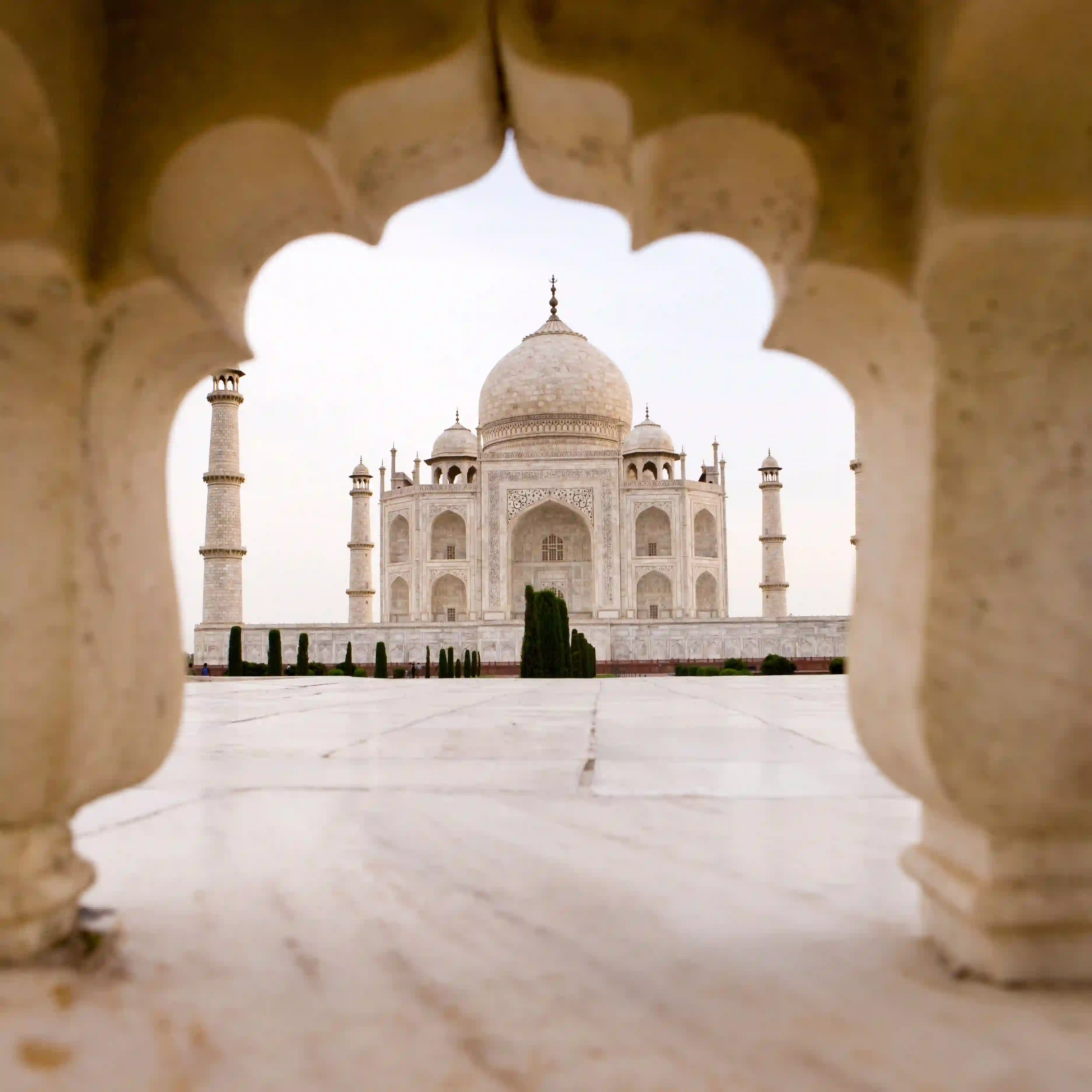
No list of the Top Places to Visit in India would ever be complete without Agra, home to the world-famous Taj Mahal. This white marble masterpiece is more than just a monument; it is a symbol of eternal love and one of the most admired architectural wonders on Earth. Built by Emperor Shah Jahan in memory of his wife Mumtaz Mahal, the Taj Mahal attracts millions of travelers from around the globe every year. Sunrise is considered the best time to visit because the marble changes colors with the morning light, creating a magical atmosphere that photographs can never fully capture.
Agra offers much more than the Taj Mahal alone. Agra Fort is another spectacular Mughal structure featuring royal halls, courtyards, and panoramic views of the Taj Mahal from a distance. Travelers who enjoy history often spend hours exploring the detailed carvings and stories hidden within its walls. Nearby, the abandoned Mughal city of Fatehpur Sikri provides another fascinating glimpse into India’s royal past. The red sandstone buildings and massive gateways create a dramatic setting that feels frozen in time. Agra remains one of the most important destinations for anyone wanting to experience India’s architectural brilliance.
Jaipur – The Royal Pink City
Jaipur, famously known as the Pink City, introduces travelers to the royal heritage of Rajasthan. The city looks like something straight out of a fairy tale, with grand palaces, colorful bazaars, elephant rides, and ancient hilltop forts. Foreign tourists are often amazed by how Rajasthan preserves its royal traditions while still embracing modern tourism. Jaipur’s streets are filled with traditional textiles, handmade jewelry, pottery, and vibrant local art that make shopping an unforgettable experience.
The majestic Amber Fort stands proudly on a hill overlooking the city and remains one of Rajasthan’s most iconic attractions. Its blend of Rajput and Mughal architecture creates an atmosphere of elegance and power. Inside the fort, mirrored halls and intricate paintings reflect the artistic excellence of ancient India. Another must-visit attraction is Hawa Mahal, known for its unique honeycomb-shaped windows designed for royal women to observe street life without being seen. Travelers who visit Jaipur also enjoy cultural evenings filled with folk dances, traditional music, camel rides, and authentic Rajasthani cuisine served in royal-style settings.
Kerala – God’s Own Country
Among the Top Places to Visit in India, Kerala offers a completely different atmosphere compared to northern India. Known as “God’s Own Country,” Kerala is famous for its peaceful backwaters, tropical greenery, Ayurvedic wellness retreats, tea plantations, and beautiful beaches. For many foreign travelers, Kerala becomes the most relaxing part of their Indian journey. The slow pace of life here feels refreshing after exploring busy cities like Delhi or Mumbai.
One of Kerala’s most memorable experiences is staying on a traditional houseboat in the backwaters of Alleppey. As the boat glides through narrow canals surrounded by coconut trees and small villages, travelers experience a side of India that feels calm and deeply connected to nature. Kerala is also famous for Ayurvedic treatments and wellness tourism. Many international visitors come specifically for yoga retreats, meditation centers, and natural healing therapies. Hill stations like Munnar attract nature lovers with endless tea gardens covered in mist, while beaches in Varkala and Kovalam provide perfect sunset views over the Arabian Sea.
Goa – Beaches and Coastal Charm
Goa continues to attract international travelers looking for beaches, nightlife, Portuguese heritage, and laid-back coastal vibes. Unlike the crowded cities of northern India, Goa feels open, relaxed, and tropical. Palm trees sway along golden beaches while beach cafes serve fresh seafood, cocktails, and international cuisine. Travelers from Europe, Australia, and America often spend weeks here enjoying the slow rhythm of coastal life.
Popular beaches such as Baga Beach and Palolem Beach are known for water sports, nightlife, beach parties, and live music. Goa also has a rich colonial history visible in its old churches and colorful Portuguese-style houses. The beautiful Basilica of Bom Jesus remains one of the most important religious landmarks in the region. Food in Goa is another major attraction. Dishes like prawn curry, fish recheado, and bebinca dessert introduce travelers to a unique blend of Indian and Portuguese flavors.
Varanasi – India’s Spiritual Soul
For travelers seeking spirituality and ancient traditions, Varanasi offers one of the most intense and emotional experiences in India. Situated along the sacred Ganges River, Varanasi is considered one of the oldest continuously inhabited cities in the world. The city feels mystical, chaotic, spiritual, and deeply human all at once. Foreign travelers often describe Varanasi as a destination that changes their perspective on life.
The evening Ganga Aarti ceremony at the ghats is one of the most mesmerizing experiences in India. Priests perform synchronized rituals with fire lamps while chants and bells echo across the river. Watching hundreds of floating candles drift along the water creates a deeply emotional atmosphere. Early morning boat rides on the Ganges allow travelers to witness daily life unfolding along the ghats, from prayers and meditation to washing clothes and performing rituals. Varanasi may feel overwhelming at first, but its authenticity leaves a lasting impression unlike any other destination.
The Himalayas – Adventure and Serenity
The Himalayas provide another completely different side of India. Mountain destinations such as Manali, Leh, and Rishikesh attract adventure seekers and nature lovers from around the world. Snow-covered peaks, winding roads, monasteries, river rafting, trekking trails, and yoga retreats create unforgettable experiences for travelers looking to escape crowded tourist cities.
Rishikesh has become especially popular among international tourists interested in yoga and meditation. Often called the “Yoga Capital of the World,” the town sits peacefully beside the Ganges River with countless ashrams and wellness centers offering spiritual retreats. Adventure lovers also enjoy white-water rafting and hiking in the surrounding mountains. Ladakh, meanwhile, feels almost surreal with its dramatic landscapes, Buddhist monasteries, and high-altitude deserts that resemble another planet entirely.
Mumbai – The City of Dreams
Mumbai represents the modern face of India. As the financial capital and home of the Bollywood film industry, the city combines ambition, glamour, colonial history, and intense energy. Skyscrapers rise beside historic buildings while luxury cars share roads with local trains and street vendors. Foreign travelers who enjoy fast-paced urban experiences often find Mumbai fascinating.
The iconic Gateway of India remains one of the city’s most photographed landmarks. Nearby, visitors explore the historic architecture of South Mumbai, including colonial-era buildings, luxury hotels, and vibrant street markets. Mumbai’s nightlife, rooftop restaurants, and art galleries showcase India’s cosmopolitan culture. Food remains central to the experience here as well. Trying vada pav, pav bhaji, and Bombay-style street snacks becomes almost mandatory for first-time visitors.
Wildlife Tourism in India
Wildlife tourism is another reason why India continues attracting global travelers. National parks like Ranthambore National Park and Jim Corbett National Park offer thrilling safari experiences where visitors may spot Bengal tigers, leopards, elephants, crocodiles, and exotic bird species. For photographers and nature enthusiasts, these wildlife experiences add another exciting layer to India’s diverse tourism appeal.
Traveling through India requires an open mind and a sense of adventure. The country can sometimes feel overwhelming due to crowds, traffic, and sensory overload, but that chaos is part of its identity. Every journey here becomes a collection of unforgettable moments. One traveler may remember sipping chai beside Himalayan mountains, while another may never forget hearing temple bells at sunrise in Varanasi or watching the Taj Mahal glow under moonlight.
Why India Leaves a Lasting Impression
The beauty of India lies not only in its monuments but also in its people, traditions, flavors, and emotions. Every city has its own heartbeat, every festival its own energy, and every region its own story. That is why international travelers often leave India with memories that stay with them forever. Among all global travel destinations, India remains one of the few places capable of offering luxury, spirituality, adventure, history, relaxation, and cultural immersion all within a single journey.
The Top Places to Visit in India continue evolving as tourism expands into new regions and experiences. Yet the essence of India remains timeless. Whether you are exploring royal palaces in Rajasthan, cruising Kerala’s backwaters, meditating beside the Ganges, or enjoying sunsets on Goa’s beaches, India delivers experiences that feel deeply personal and unforgettable. For foreign travelers searching for culture, adventure, history, and emotion all at once, India stands in a league of its own.
Conclusion
India is not a destination that can be fully understood in a single trip. Every region reveals a new culture, new flavors, and new perspectives that leave travelers constantly amazed. From the architectural wonder of the Taj Mahal to the peaceful beauty of Kerala’s backwaters, the country offers experiences for every type of traveler. Adventure seekers, spiritual explorers, food lovers, wildlife photographers, and luxury tourists can all find something extraordinary here.
What makes India truly special is the emotional connection travelers develop during their journey. The warmth of local hospitality, the energy of crowded markets, the beauty of ancient temples, and the diversity of landscapes create memories that remain unforgettable long after the trip ends. It is easy to see why the Top Places to Visit in India continue attracting millions of international tourists every year.