The Living Heritage of Jaipur: Palaces, People, and Traditions
December 25, 2025
The Living Heritage of Jaipur: Palaces, People, and Traditions
The Living Heritage of Jaipur: Palaces, People, and Traditions is not confined to stone walls, ornate arches, or museum halls; it is a vibrant, breathing story that unfolds every day in the streets, homes, and hearts of the city. The Living Heritage of Jaipur: Palaces, People, and Traditions comes alive where royal history meets daily routine, where ancient customs continue to guide modern lives, and where cultural memory is not preserved behind glass but practiced openly. Jaipur is a city that does not merely remember its past—it lives it, shaping a present that feels timeless yet dynamic.
A City Born of Vision and Balance
Jaipur’s heritage begins with intention. Unlike many historic cities that grew organically over centuries, Jaipur was carefully planned in the eighteenth century with a balance between royal authority, commerce, spirituality, and community life. Wide avenues, symmetrical markets, and distinct residential quarters were designed to ensure harmony between rulers and citizens.
Palaces as Symbols of Living History
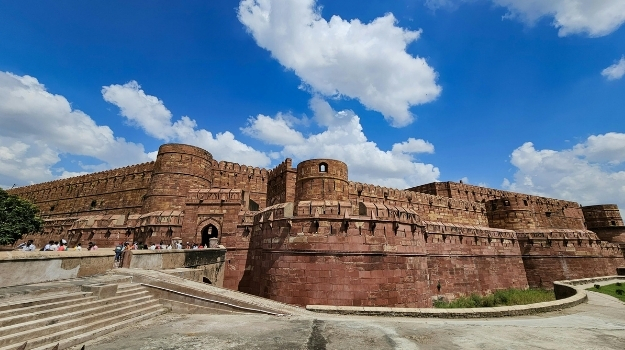
The palaces of Jaipur are more than architectural masterpieces; they are enduring symbols of continuity. The City Palace remains a royal residence while also serving as a cultural space open to the public. Hawa Mahal overlooks streets buzzing with vendors and commuters, while Amber Fort rises above surrounding villages.
Forts That Guard Memory and Meaning
Beyond palaces, Jaipur’s forts stand as guardians of memory. Nahargarh Fort watches over the city skyline, while Jaigarh Fort reflects military strength and strategic brilliance. These forts host cultural events and family outings, keeping history accessible.
Streets Where Heritage Walks Daily
Jaipur’s heritage is most tangible in its streets. Narrow lanes lined with havelis reveal carved balconies and faded murals. Modern shops operate from centuries-old structures, blending commerce with conservation.
People as Keepers of Tradition
At the heart of Jaipur’s living heritage are its people. Generations continue traditional occupations such as jewelry making, textile printing, music, and storytelling, ensuring continuity through daily life.
Artisan Communities and Cultural Continuity
Jaipur’s artisans sustain cultural identity through block printing, blue pottery, miniature painting, stone carving, and metalwork. Skills are passed organically within families, keeping craftsmanship authentic.
Textiles as Cultural Language
Textiles in Jaipur communicate heritage through hand block prints, bandhani patterns, and natural dyes. These fabrics are worn daily, used in homes, and gifted during ceremonies.
Blue Pottery and Artistic Restraint
Blue pottery reflects innovation within tradition. Made from quartz and glass, its soft hues and delicate designs fit seamlessly into modern living spaces.
Jewelry and the Weight of Meaning
Jaipur’s jewelry traditions—Kundan, Meenakari, and Polki—carry emotional and cultural significance, marking milestones such as weddings, festivals, and inheritance.
Markets as Cultural Crossroads
Johari Bazaar, Bapu Bazaar, and Tripolia Bazaar function as living museums. These markets preserve heritage by keeping traditional skills economically relevant.
Music as Oral Heritage
Folk music preserves oral history through songs of love, valor, and devotion. Instruments like sarangi and dholak echo through temples, homes, and festivals.
Dance and Collective Memory
Dance forms such as Ghoomar and Kalbeliya connect communities through rhythm and movement, reinforcing shared identity during celebrations.
Festivals That Renew Heritage
Festivals like Teej, Gangaur, Diwali, and Holi transform Jaipur into a shared cultural experience, blending ritual, joy, and social connection.
Food as Cultural Memory
Jaipur’s cuisine reflects survival and creativity. Traditional dishes preserve flavors and techniques passed through generations.
Street Food and Shared Spaces
Street food culture turns everyday eating into social interaction, strengthening community bonds across neighborhoods.
Daily Life in Historic Neighborhoods
Historic quarters follow timeless rhythms of prayer, rest, and social gathering, offering continuity amid modernization.
Women as Cultural Stewards
Women preserve rituals, crafts, and traditions while leading cooperatives that ensure economic and cultural sustainability.
Spiritual Diversity and Everyday Faith
Small shrines, temples, and dargahs shape daily spiritual practices, fostering tolerance and humility.
Education and Evolving Identity
Jaipur’s youth reinterpret heritage through design, music, and storytelling, allowing tradition to evolve naturally.
Royal Patronage and Cultural Responsibility
Royal legacy now focuses on stewardship, supporting cultural initiatives and creative expression.
Tourism and Cultural Exchange
Responsible tourism strengthens heritage by supporting artisans and encouraging cultural exchange.
Challenges of Preservation in a Modern City
Urban growth challenges preservation, but community-led efforts balance development with cultural care.
Jaipur as a Living Cultural Ecosystem
Jaipur’s heritage thrives as an interconnected system of palaces, people, and traditions.
Conclusion: A Heritage That Lives Forward
The Living Heritage of Jaipur: Palaces, People, and Traditions shows how history shapes the present. Jaipur proves that true heritage survives not by standing still, but by being lived every day.