Taj Mahal Photography Tips For Foreigners
January 12, 2026
Taj Mahal Photography Tips for Foreigners: Capture the Magic of India’s Iconic Monument
The Taj Mahal is one of the most photographed monuments in the world, and for good reason. Its pristine white marble, intricate designs, and serene surroundings create a picture-perfect scene at every angle. For international travelers, a taj mahal photography tips for foreigners guide can help turn an ordinary visit into an unforgettable visual journey, ensuring every photo captures the monument’s true beauty.
Whether you are a professional photographer or a casual traveler with a smartphone, understanding light, angles, and composition is key to capturing the Taj Mahal in all its glory. In this article, we explore essential tips, timing, locations, and tools for photographing this UNESCO World Heritage Site effectively.
Why Photography at the Taj Mahal Is Unique
The Taj Mahal is unique because it changes appearance throughout the day. At sunrise, it has a soft pink hue; at noon, it shines in brilliant white; and during sunset, it radiates golden tones. Each time of day presents different challenges and opportunities for photography.
Using a guide or following taj mahal photography tips for foreigners ensures you plan your visit around these optimal lighting conditions to get the most striking images.
Best Times of Day for Capturing Stunning Shots
Sunrise: Ideal for soft lighting, fewer crowds, and reflections in the long water channels. Morning fog can add a mystical effect. Noon: Bright light highlights the marble’s clarity but requires careful exposure control to avoid overexposure. Sunset: Warm tones and softer shadows enhance the monument’s textures and add a romantic touch. Night Photography: Occasionally, the Taj Mahal is open for moonlit tours, offering unique low-light photography opportunities.
Choosing the Right Angles and Composition
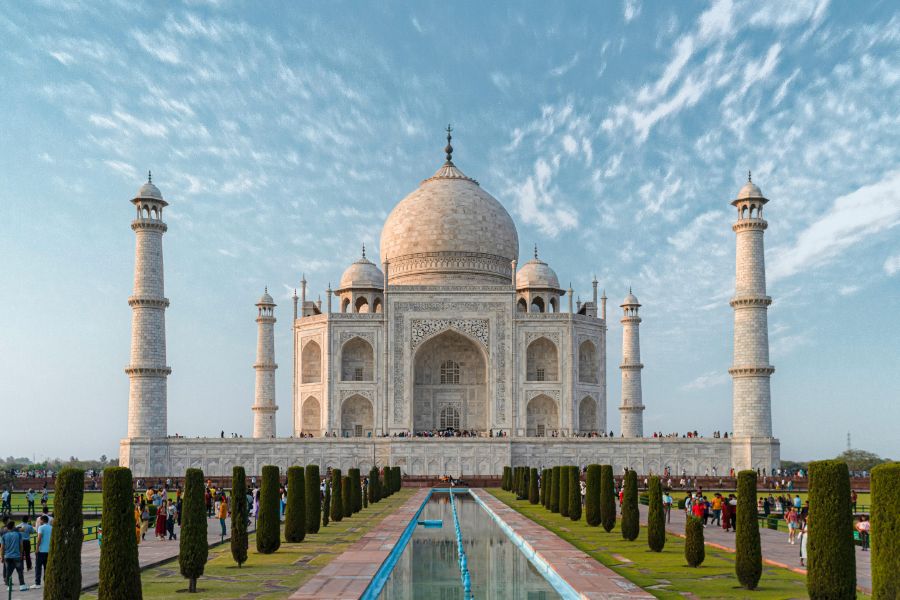
Symmetry is one of the Taj Mahal’s strongest features. For foreigners aiming to capture its grandeur: - Center the mausoleum along the reflecting pool for a classic symmetrical shot. - Use the gateways and minarets as natural frames. - Incorporate gardens or trees to add depth and perspective.
Following taj mahal photography tips for foreigners helps in finding the perfect angles to create balanced and visually appealing images.
Using Reflections Effectively
The long water channels in front of the Taj Mahal provide an excellent opportunity for reflection shots. Early morning is best when the water is calm. Tourists can capture a mirrored image of the monument with a serene effect that enhances its beauty.
Equipment Tips for Foreign Photographers
Camera: DSLRs or mirrorless cameras provide flexibility, but modern smartphones can also produce excellent results. Lens: A wide-angle lens captures the entire structure, while a telephoto lens focuses on intricate details. Tripods: Tripods are generally not allowed inside the main complex, so handheld shooting or monopods are recommended. Accessories: Extra batteries and memory cards are essential to avoid interruptions.
Capturing Architectural Details
The Taj Mahal is full of intricate carvings, floral patterns, and calligraphy. Close-up shots reveal the craftsmanship and attention to detail that make the monument unique. Focusing on marble inlays, minarets, and dome patterns creates a diverse portfolio of images.
Using taj mahal photography tips for foreigners ensures that you don’t miss these subtle, yet important, details during your visit.
Incorporating People and Perspective
Including visitors in your photographs can provide scale and perspective, emphasizing the Taj Mahal’s grandeur. Candid shots of tourists walking or photographing can also add a storytelling element to your images.
Lighting Techniques for Perfect Shots
Natural light is the key to great photography at the Taj Mahal. Use the soft morning light for a diffused effect, midday light to highlight the whiteness of the marble, and sunset light to create warm, romantic tones. Shadows can be used creatively to add depth and dimension.
Tips for Smartphone Photography
Even without professional equipment, smartphones can produce stunning images. Use HDR mode for balanced exposure, focus manually on details, and utilize panorama features for wide shots. Apps for editing and correcting perspective can also enhance your final photos.
Planning Your Visit Around Photography
Arriving early or staying late ensures fewer crowds and better lighting conditions. Avoid weekends and public holidays if possible, as the monument can become crowded. A guided approach helps tourists efficiently plan their photography schedule and cover key viewpoints.
Photo Spots Around the Taj Mahal
Main Gate: Offers a symmetrical view of the entire complex. Mehtab Bagh: Across the Yamuna River, providing a full reflection view during sunset. Agra Fort: Gives a distant perspective with foreground framing. Gardens: Perfect for creative shots with pathways and flowers. Side Pathways: Capture less common angles for unique images.
Common Mistakes to Avoid
- Overexposure in bright sunlight. - Ignoring reflections and symmetry. - Rushing shots without waiting for optimal light. - Focusing only on wide shots and ignoring details. Following taj mahal photography tips for foreigners helps avoid these common pitfalls.
Post-Processing Tips for Stunning Images
Editing is important for enhancing the mood and colors. Adjust exposure, contrast, and sharpness carefully to maintain the monument’s natural beauty. Avoid heavy filters that distort the marble’s authenticity.
Capturing the Taj Mahal is more than just a photography session; it’s about understanding its history, architecture, and the emotions it evokes. By using a combination of strategic timing, composition, and expert advice, tourists can create memories that last a lifetime. Following taj mahal photography tips for foreigners ensures that every shot truly reflects the magic of this iconic Indian monument.