Places to Visit in Jodhpur
February 7, 2026
Best Places to Visit in Jodhpur
Jodhpur is where desert meets history. From afar, the city appears in blue beneath the massive walls of Mehrangarh Fort. Known as the Blue City and the Sun City, Jodhpur is built around forts and palaces, yet its true character lives in its streets, temples, bazaars, and neighborhoods.
It is a city that preserves tradition while embracing modern life. This guide to the best places to visit in Jodhpur explores the cultural and historical landmarks that shape the city’s identity.
Mehrangarh Fort
No visit to Jodhpur begins without Mehrangarh Fort. Dating back to the 15th century, this massive structure rises above the city on a rocky hill.
Inside the fort are grand courtyards, intricately carved windows, decorated rooms, and a museum displaying royal weapons, textiles, paintings, and palanquins. From the top, the blue houses of Jodhpur stretch endlessly, offering breathtaking views.
Jaswant Thada
This serene white marble memorial honors Maharaja Jaswant Singh II. The peaceful gardens and glowing marble structure provide a calm contrast to the grandeur of Mehrangarh Fort.
Umaid Bhawan Palace
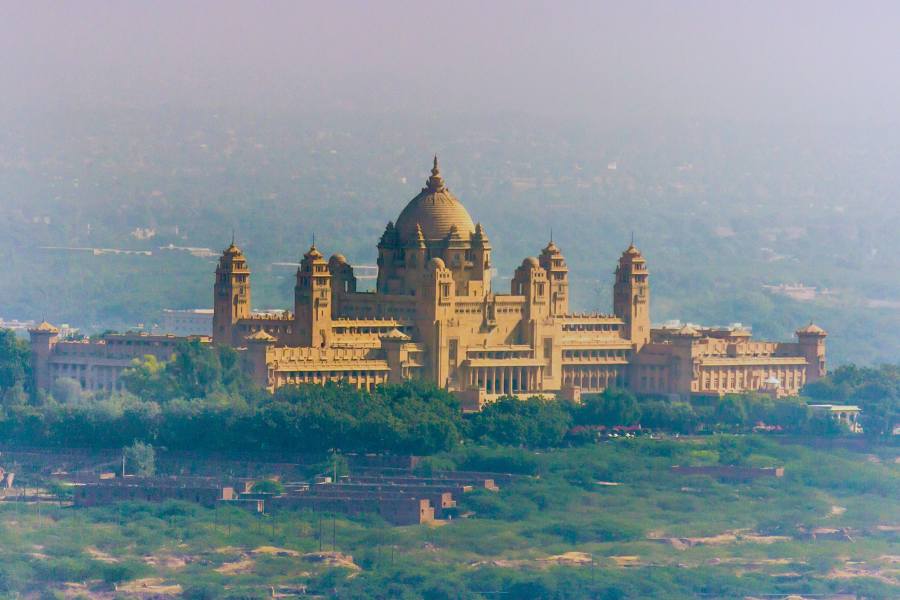
Umaid Bhawan Palace represents the royal legacy of Jodhpur in modern India. Built in the 20th century, it blends Indo-Saracenic and Art Deco styles.
The palace museum displays vintage cars, photographs, clocks, and royal artifacts, offering insight into how Jodhpur transitioned from princely rule to contemporary India.
The Blue City Walk
Exploring the old blue lanes is one of the most authentic experiences in Jodhpur. The blue-painted houses surrounding Mehrangarh Fort create a stunning landscape.
Walking through these streets reveals daily life — children playing, women chatting on balconies, and the aroma of spices filling the air.
Clock Tower & Sardar Market
Sardar Market, near the Ghanta Ghar (Clock Tower), is the cultural hub of old Jodhpur.
Here you will find spices, handicrafts, fabrics, and metal goods. The bustling atmosphere makes it one of the most vibrant areas in the city.
Mandore Gardens
Before Jodhpur became the capital, Mandore served as the center of the Marwar region. The gardens contain cenotaphs, temples, and historical memorials reflecting Rajasthan’s earlier heritage.
Rao Jodha Desert Rock Park
Located near Mehrangarh Fort, this park preserves the desert ecosystem of Jodhpur. Walking trails pass native plants and rocky landscapes, showing how nature influenced the city’s architecture and lifestyle.
Chamunda Mata Temple
Situated within Mehrangarh Fort, this temple is dedicated to the royal family deity, Goddess Chamunda. It is especially lively during Navratri festivals.
Toorji Ka Jhalra
An 18th-century stepwell, Toorji Ka Jhalra showcases traditional water management systems. Today, it serves as a cultural gathering spot surrounded by cafes and seating areas.
Bishnoi Villages
A short trip outside Jodhpur takes visitors to Bishnoi villages, where rural communities practice wildlife conservation and traditional crafts like pottery and weaving.
Food as Cultural Heritage
The cuisine of Jodhpur reflects desert survival techniques. Dishes like dal baati churma, gatte ki sabzi, and ker sangri evolved from local climate conditions and preservation methods.
Festivals and Cultural Events
Events like the Marwar Festival celebrate folk music and dance traditions. Visiting during festival season adds depth to your exploration of Jodhpur.
Conclusion
Jodhpur is more than forts and palaces. It is a city of contrasts — strength and elegance, royal pride and everyday simplicity. From towering fort walls to peaceful village traditions, every corner tells a story.
To truly experience Jodhpur, travel at a relaxed pace, explore the old streets, and connect with local culture. Customized tours allow visitors to discover the city’s heritage in a meaningful way.
FAQs
Q1. How many days are recommended for exploring Jodhpur?
Two to three days are ideal for visiting major attractions such as Mehrangarh Fort, Jaswant Thada, and Umaid Bhawan Palace, along with exploring the Blue City.
Q2. Is Jodhpur ideal for heritage travel?
Yes, Jodhpur is one of Rajasthan’s best destinations for heritage tourism, with forts, palaces, temples, and stepwells reflecting its royal past.
Q3. What is the best time to visit?
The best time to visit is between October and March when the weather is pleasant for sightseeing and outdoor activities.
Q4. Are guided tours recommended?
Yes, guided tours enhance the experience by explaining historical context and architectural significance.
Q5. Can Jodhpur be combined with other Rajasthan destinations?
Yes, Jodhpur is well connected to Udaipur, Jaisalmer, Jaipur, and Ranthambore, making it an excellent addition to a Rajasthan itinerary.