Historical Places in India for Tourists
May 12, 2026
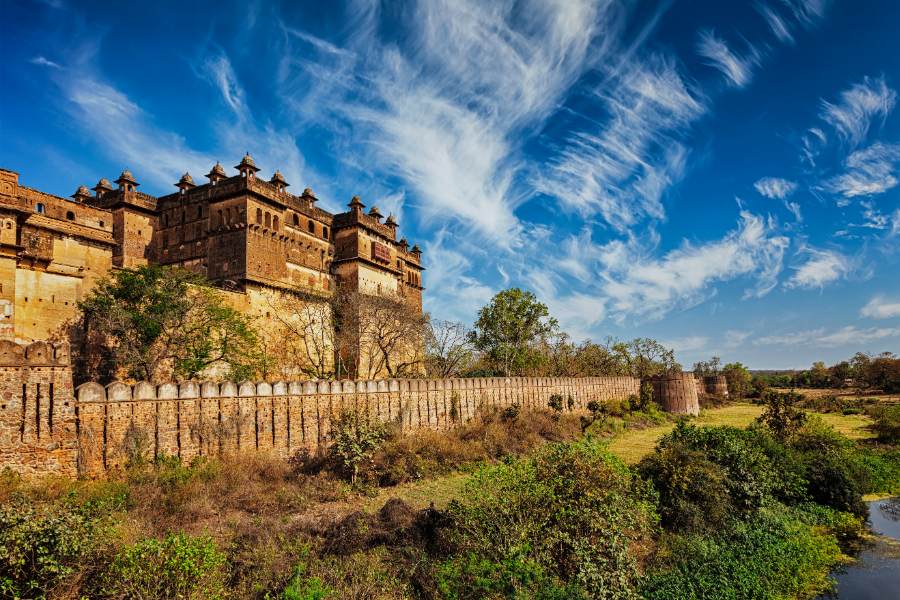
Historical Places in India for Tourists: Discover the Timeless Heritage of Incredible India
India is a land where history lives in every corner. From ancient temples and royal palaces to mighty forts and magnificent monuments, the country offers travelers a fascinating journey through centuries of culture, architecture, and tradition. For tourists from around the world, exploring India’s historical destinations is not only a sightseeing experience but also an opportunity to understand one of the oldest civilizations in the world.
The rich heritage of India reflects the influence of ancient kingdoms, Mughal emperors, colonial rulers, and regional dynasties that shaped the country over thousands of years. Every monument tells a story of bravery, romance, spirituality, art, and cultural evolution. Whether travelers are walking through grand forts in Rajasthan, admiring Mughal architecture in Agra, or exploring ancient cave temples in Maharashtra, the experience becomes unforgettable.
The growing popularity of Historical Places in India among international tourists highlights the country’s importance as one of the world’s greatest cultural and heritage destinations. Travelers are increasingly seeking meaningful experiences that combine history, architecture, photography, and cultural exploration.
India’s historical landmarks are spread across diverse landscapes including deserts, mountains, forests, riverbanks, and bustling cities. This incredible variety allows visitors to experience different regions, traditions, cuisines, and architectural styles during a single journey.
The Rich Historical Heritage of India
India’s history stretches back thousands of years, making it one of the oldest continuously inhabited civilizations in the world. Ancient empires such as the Mauryas, Guptas, Cholas, Rajputs, Mughals, and Marathas contributed significantly to the country’s architectural and cultural legacy.
The influence of these dynasties can still be seen in India’s forts, temples, mosques, palaces, stepwells, and monuments. Each region of India has its own distinct historical identity shaped by local traditions, rulers, and artistic styles.
Northern India is famous for Mughal architecture and royal forts, while southern India is known for magnificent temple complexes and ancient Dravidian architecture. Western India showcases desert forts and palaces, whereas eastern India reflects Buddhist heritage and colonial influences.
Tourists visiting Historical Places in India often discover that the country’s heritage goes far beyond monuments. Traditional music, dance, festivals, handicrafts, and cuisine are also deeply connected to India’s historical roots.
The Taj Mahal: India’s Most Iconic Monument
The Taj Mahal in Agra is undoubtedly India’s most famous historical attraction and one of the most recognized monuments in the world. Built by Mughal Emperor Shah Jahan in memory of his wife Mumtaz Mahal, the white marble masterpiece symbolizes eternal love and architectural brilliance.
The monument attracts millions of visitors every year who come to admire its symmetry, intricate carvings, beautiful gardens, and stunning reflection pools. Watching the sunrise over the Taj Mahal is considered one of the most magical travel experiences in India.
The surrounding city of Agra also offers other important historical attractions such as Agra Fort and Itmad-ud-Daulah’s Tomb, both showcasing the grandeur of Mughal architecture.
For international travelers, the Taj Mahal often becomes the emotional highlight of their journey through Historical Places in India because of its beauty, romance, and timeless elegance.
Jaipur and Rajasthan’s Royal Heritage
Rajasthan is one of India’s most historically rich states and a paradise for travelers interested in forts, palaces, and royal history. The region reflects the bravery and grandeur of Rajput kings who built magnificent architectural wonders across the desert landscape.
Jaipur, known as the Pink City, is famous for attractions such as Amber Fort, City Palace, Hawa Mahal, and Jantar Mantar. These landmarks showcase a blend of Rajput and Mughal architectural styles while offering insight into Rajasthan’s royal heritage.
Udaipur, often called the City of Lakes, features romantic palaces overlooking beautiful lakes and hills. The City Palace of Udaipur remains one of India’s most elegant royal complexes.
Jodhpur’s Mehrangarh Fort stands dramatically above the blue-painted old city and offers breathtaking views along with fascinating historical exhibits.
Jaisalmer Fort, located in the heart of the Thar Desert, is one of the few living forts in the world where people still reside within the fort walls.
Travelers exploring Historical Places in India frequently consider Rajasthan one of the most unforgettable regions because of its royal atmosphere, colorful culture, and magnificent architecture.
Delhi: A City of Empires
Delhi, the capital of India, is a city where ancient history and modern life exist side by side. The city has been ruled by various dynasties over centuries, leaving behind an extraordinary collection of historical monuments.
The Red Fort, built by Mughal Emperor Shah Jahan, is one of Delhi’s most important landmarks and a UNESCO World Heritage Site. Its massive walls and beautiful halls reflect the grandeur of the Mughal Empire.
Qutub Minar, another UNESCO site, is the tallest brick minaret in the world and represents the beginning of Islamic architecture in India.
Humayun’s Tomb is considered a precursor to the Taj Mahal and features elegant Mughal garden architecture.
India Gate, Rashtrapati Bhavan, and colonial buildings in New Delhi reflect British architectural influences from the colonial period.
Exploring Delhi provides travelers with a comprehensive introduction to India’s layered history and cultural diversity.
Khajuraho Temples: Ancient Art and Architecture
The Khajuraho Group of Monuments in Madhya Pradesh is famous for its stunning temple architecture and intricate sculptures. Built between the 9th and 11th centuries by the Chandela dynasty, these temples are renowned for their artistic excellence and detailed carvings.
The sculptures depict various aspects of life including music, dance, mythology, spirituality, and human emotions. The temples reflect the creativity and sophistication of ancient Indian craftsmanship.
Khajuraho remains one of the most unique historical destinations because of its artistic heritage and spiritual significance.
Visitors from around the world admire the extraordinary stone carvings that continue to inspire historians, artists, and architects today.
Hampi: The Lost City of Vijayanagara
Hampi in Karnataka is one of India’s most fascinating archaeological destinations. Once the capital of the Vijayanagara Empire, Hampi was one of the richest and largest cities in the world during the 14th century.
Today, the ruins of Hampi spread across a surreal landscape filled with giant boulders, ancient temples, royal pavilions, and market streets.
The Virupaksha Temple, Vittala Temple, and stone chariot are among the site’s most iconic attractions. The intricate carvings and massive structures reflect the artistic brilliance of the Vijayanagara civilization.
Hampi offers a completely different historical atmosphere compared to northern Indian monuments, showcasing the diversity of India’s cultural heritage.
Varanasi: The Spiritual Heart of India
Varanasi is one of the oldest continuously inhabited cities in the world and holds immense spiritual importance in Hindu culture. Located on the banks of the sacred Ganges River, the city has been a center of religion, philosophy, and learning for thousands of years.
The ghats of Varanasi attract pilgrims, tourists, photographers, and spiritual seekers from around the globe. Witnessing the evening Ganga Aarti ceremony is one of the most memorable cultural experiences in India.
Ancient temples, narrow lanes, traditional music, and timeless rituals make Varanasi one of the most culturally rich Historical Places in India.
For many travelers, the city offers a profound connection to India’s spiritual and historical roots.
Ajanta and Ellora Caves
The Ajanta and Ellora Caves in Maharashtra are among India’s greatest archaeological treasures. These rock-cut caves feature Buddhist, Hindu, and Jain monuments carved directly into cliffs centuries ago.
Ajanta is famous for its ancient Buddhist paintings and frescoes, while Ellora showcases remarkable rock-cut temples including the massive Kailasa Temple.
The craftsmanship involved in creating these cave complexes continues to amaze historians and architects worldwide.
These UNESCO World Heritage Sites demonstrate India’s rich artistic and religious history while attracting travelers interested in ancient civilizations and architecture.
Mysore Palace and South Indian Heritage
Southern India also offers extraordinary historical destinations with unique architectural styles and royal traditions.
Mysore Palace in Karnataka is one of India’s most beautiful royal residences. Illuminated during festivals and special evenings, the palace reflects Indo-Saracenic architecture and royal grandeur.
Tamil Nadu is home to magnificent temple cities such as Madurai, Thanjavur, and Mahabalipuram. These destinations feature towering temple gateways, stone carvings, and centuries-old spiritual traditions.
Kerala’s heritage reflects influences from ancient trade routes, colonial powers, and regional kingdoms, offering travelers a different perspective on India’s history.
South India’s historical destinations provide travelers with rich cultural experiences and architectural diversity beyond the famous northern monuments.
Forts of India: Symbols of Strength and Power
India’s forts are among its most impressive historical landmarks. Built for defense, administration, and royal residence, these structures showcase military architecture and strategic planning.
Chittorgarh Fort in Rajasthan symbolizes Rajput bravery and sacrifice. Gwalior Fort in Madhya Pradesh combines artistic beauty with military strength.
Golconda Fort in Hyderabad is famous for its acoustic engineering and historical importance during the reign of the Qutb Shahi dynasty.
Mehrangarh Fort, Amber Fort, and Agra Fort are also among the most visited fort complexes in India.
Tourists exploring these mighty structures gain deeper insight into India’s royal history, battles, and architectural achievements.
Colonial Heritage in India
India’s colonial history has also left a significant architectural legacy visible in cities such as Kolkata, Mumbai, Chennai, and Shimla.
Mumbai features colonial landmarks like the Gateway of India and Chhatrapati Shivaji Maharaj Terminus.
Kolkata’s Victorian buildings, churches, and museums reflect British influences blended with Indian culture.
Shimla, once the summer capital of British India, still retains colonial-era charm with historic churches, government buildings, and scenic mountain landscapes.
These destinations provide a different chapter in the story of India’s historical heritage, highlighting the country’s transformation during the colonial era.
Cultural Festivals and Historical Tourism
Historical tourism in India becomes even more vibrant during cultural festivals and heritage events.
Rajasthan’s desert festivals, Mysore Dasara celebrations, Khajuraho Dance Festival, and Delhi’s heritage events allow travelers to experience traditional music, dance, costumes, and rituals connected to India’s historical legacy.
These festivals create immersive experiences where tourists can witness living traditions preserved over generations.
Photography enthusiasts especially enjoy historical destinations during festivals because of the colorful atmosphere and cultural performances.
Why India is Perfect for History Lovers
India stands out as one of the world’s greatest destinations for historical and cultural tourism because of its incredible diversity, ancient heritage, and architectural richness.
Travelers can explore Mughal monuments, Rajput forts, ancient temples, colonial cities, cave complexes, and spiritual centers all within one country.
The country’s historical landmarks are not isolated monuments; they are deeply connected to living traditions, local communities, cuisine, festivals, and daily life.
The popularity of historical tourism and Historical Places in India continues to grow among international tourists seeking meaningful travel experiences filled with culture, learning, photography, and exploration.
Whether walking through the majestic halls of royal palaces, witnessing sacred rituals on ancient riverbanks, exploring centuries-old cave temples, or admiring the beauty of the Taj Mahal, travelers discover that India’s history is not only preserved in monuments but also alive in its people, traditions, and timeless cultural spirit.