Golden Triangle India: A Cultural Odyssey Through Three Majestic Cities
December 3, 2025
Golden Triangle India: A Cultural Odyssey Through Three Majestic Cities
One of the most famous travel routes in the world is the Golden Triangle in India. This route, which links Delhi, Agra, and Jaipur, symbolizes the core of India's architectural, historical, and cultural diversity. For those who wish to see India in its purest form—its ancient heritage, colorful traditions, royal past, excellent cuisine, and active street life—the Golden Triangle offers the perfect introduction.
This long-form blog takes you on a detailed and immersive tour through these three gorgeous cities, telling you what makes this route such a timeless favorite with travelers from around the world.
The Golden Triangle's Magic
The Golden Triangle gained its moniker because the cities create a triangle pattern on the map, with each destination offering something wonderfully unique:
Delhi: A combination of old-world charm and modern dynamism
Agra: The home of the Taj Mahal and Mughal majesty
Jaipur: The royal pink city of majestic forts and colorful culture
Together, these cities construct a story of India’s past and present—a story packed with empires, craftsmanship, fortitude, and tradition.
Delhi: A City of Timeless Contrasts
Delhi is not only a city—it is an emotion. It is where the ancient coexists with the modern, where Mughal monuments stand opposite colonial-era structures, and where bustling markets nestle next to calm temples. Each corner of Delhi echoes stories from decades past.
A Short Look at Delhi’s History
Delhi has been ruled by several dynasties—Rajputs, Mughals, Sultans, and eventually the British. Every age added something to the city’s culture and architecture. Many people think Delhi's terrain has layers of history due to multiple reconstructions.
Important Places to Visit in Delhi
Red Fort
Red Fort, a UNESCO World Heritage Site, is a famous representation of Mughal architecture and India's independence. Built by Shah Jahan, its enormous sandstone walls and ornate interiors demonstrate the grandeur of the empire.
Qutub Minar
The world’s highest brick minaret, Qutub Minar is flanked by exquisite ancient ruins and inscriptions that take you back to the Delhi Sultanate era.
Humayun’s Tomb
This exquisite garden tomb inspired the Taj Mahal’s design. Its Persian-style architecture and serene atmosphere make it one of Delhi’s most stunning locations.
India Gate and Rajpath
A landmark signifying bravery, India Gate sits magnificently along Rajpath. This area exhibits Delhi’s colonial heritage and is a favored destination for nighttime stroll.
Lotus Temple
This architectural wonder, which resembles a flowering lotus, is renowned for its serene, contemplative setting and welcomes people of all religions.
Jama Masjid & Old Delhi
One of the biggest mosques in India, Jama Masjid, looms over the bustling, vibrant markets of Chandni Chowk, one of the nation's oldest bazaars.
Food Experiences in Delhi
Delhi is a cuisine lover's paradise. From street nibbles to regal Mughlai meals, the city’s food culture is eclectic and tempting.
Famous Delhi delicacies include:
- Chole bhature
- Parathas from Paranthe Wali Gali
- Delhi-style chaat
- Kebabs
- Mughlai biryani
- Butter chicken
- Jalebi and rabri
Old Delhi offers traditional delicacies that have been preserved for decades, while New Delhi’s cafes and restaurants cater to worldwide preferences.
The City of Eternal Love, Agra
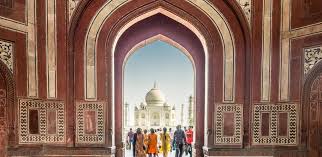
The Taj Mahal, one of the Seven Wonders of the World, is the first thing that tourists see when they think of Agra. But Agra is much more than just the Taj. It was once the heart of the Mughal Empire and is home to some of India’s most stunning architectural achievements.
The Legacy of the Taj Mahal
The Taj Mahal is a poetic representation of love, not just a monument. Commissioned by Emperor Shah Jahan in memory of his beloved wife Mumtaz Mahal, the Taj took over 20 years and thousands of artisans to complete.
Its white marble changes color with the light:
- Pink in the morning
- White in the afternoon
- Golden at sunset
It is one of the most admired buildings in the world because of its beauty and emotional significance.
Additional Fantastic Attractions in Agra
Agra Fort
Once the abode of Mughal rulers, this red sandstone fort contains palaces, gardens, and halls with exquisite craftsmanship.
Mehtab Bagh
A riverbank garden affording the finest view of the Taj Mahal at sunset, ideal for photography and tranquil stroll.
Tomb of Itimad-ud-Daulah
Often called the “Baby Taj,” this tomb is a treasure box of elaborate craftsmanship and marble lattice work.
The Tomb of Akbar at Sikandra
This tomb is another illustration of Mughal construction, showcasing the creative blending of Islamic, Hindu, and Persian styles.
The Culinary Identity of Agra
Mughal influence heavily shapes Agra’s cuisine:
- Mughlai chicken and lamb dishes
- Spicy korma and biryani
- Agra’s famed petha
- Bedai and jalebi for breakfast
- Street snacks like dalmoth and parathas
Agra provides both regal cuisine and local favorites that reflect its rich background.
Jaipur: The Majestic Pink City
Rajasthan's capital, Jaipur, is a city rich in customs, color, and monarchy. From its grand forts to its lively bazaars, Jaipur takes visitors into a world of kings and queens, warriors and artists.
The Pink City's Backstory
To greet the Prince of Wales in 1876, Jaipur's structures were painted pink. The color pink is associated with hospitality, and this custom is still followed today. The city’s consistent color makes it visually appealing and unique.
Famous Monuments in Jaipur
Amber Fort
Amber Fort, which is perched on a hill, is renowned for its magnificent gates, mirrored halls, and royal courtyards. The Sheesh Mahal (Hall of Mirrors) is very intriguing.
City Palace
A gorgeous blend of Mughal and Rajasthani architecture, the City Palace still houses the royal family’s palace and stunning museums.
Hawa Mahal
The renowned "Palace of Winds" with its 953 jharokhas (windows) was created so royal women could monitor the streets without being noticed.
Jantar Mantar
Massive astronomical instruments that still operate with incredible accuracy can be found at this UNESCO World Heritage Site.
Nahargarh and Jaigarh Forts
These hilltop forts offer panoramic views of Jaipur and display Rajput military architecture.
Shopping and Handicrafts in Jaipur
One of India's top locations for traditional arts and crafts is Jaipur. Popular shopping goods include:
- Gemstone jewelry
- Hand-block printed fabrics
- Blue pottery
- Mojari (traditional footwear)
- Lac bracelets
- Rajasthani quilts
- Brass ornaments
The markets—Bapu Bazaar, Tripolia Bazaar, and Johari Bazaar—are vibrant and imaginative.
Jaipur’s Food Culture
Jaipur’s cuisine is rich, savory, and influenced by royal chefs. Famous dishes include:
- Dal Baati Churma
- Laal Maas
- Ghewar and feeni
- Kachoris
- Rajasthani thali
Food in Jaipur is hearty, vibrant, and full of tradition.
Cultural Encounters in the Golden Triangle
The Golden Triangle is not only about sightseeing—it’s about experiencing India’s culture firsthand.
- Attend a traditional dance performance in Jaipur
- Take a cycle rickshaw tour of the winding lanes of Old Delhi
- Watch craftspeople in Agra create marble inlays
- See colorful Indian textiles in local bazaars
- Experience spiritual harmony in Delhi’s historic temples
- Savor a royal-style meal in a Jaipur haveli
- Observe Mughal-era design and calligraphy in Agra
- Enjoy a sound-and-light show at Red Fort or Amber Fort
The Ideal Time to Visit the Golden Triangle
Best time to travel: October to March — pleasant weather, excellent for sightseeing.
Avoid: Peak summer (April–June) due to extreme heat.
Monsoon: July–September offers greenery, but humidity can be high.
Travel Tips for a Smooth Golden Triangle Journey
- Carry comfortable walking shoes
- Stay hydrated, especially during summer
- Capture sunrise or sunset views at the Taj Mahal
- Purchase tickets in advance for major attractions
- Observe local traditions, especially in temples
- Try local foods but choose hygienic places
- Keep a copy of your ID
- Hire licensed tour guides for deeper insights
Why the Golden Triangle Is a Must-Experience Journey
The Golden Triangle India tour perfectly represents the spirit of the country:
- Its history spans across great dynasties
- Its architecture ranges from Mughal to Rajput to colonial styles
- Its culture blends vibrant traditions
- Its food is diverse and delicious
- Its people are warm and hospitable
From the grandeur of the Taj Mahal to the royal palaces of Jaipur and the historical richness of Delhi, this journey is truly unforgettable.
In Conclusion
The Golden Triangle is more than just India’s most famous travel route—it is a living storybook. As you travel from Delhi to Agra to Jaipur, you experience India’s royal past, spiritual depth, cultural colours, and architectural genius. This cultural odyssey leaves you with unforgettable memories and a deeper appreciation for the country’s heritage.
Whether you are a first-time visitor or a seasoned traveler, the Golden Triangle welcomes you warmly, offering an experience that is majestic, timeless, and unforgettable.