Exploring Jaipur: A Royal Journey Through Palaces and Bazaars
December 16, 2025
A Royal Tour of Jaipur's Palaces and Bazaars
Every street, fort, and marketplace in Jaipur, the capital of Rajasthan, is alive with history. Jaipur, also referred to as the “Pink City,” provides visitors with an exquisite fusion of royal history, lively culture, stunning architecture, and vibrant bazaars. One of India’s first planned cities, Jaipur was established in 1727 by Maharaja Sawai Jai Singh II and was created in accordance with Vastu Shastra. Its busy markets, imposing monuments, and well-organized layout all still evoke the grandeur of its regal past.
Discovering Jaipur is akin to entering a living museum where historical customs coexist with contemporary culture. The city offers an amazing trip through time, from tall forts perched on rocky slopes to busy bazaars brimming with handcrafted artifacts.
The Jaipur Royal Legacy
Jaipur's architecture and urban design are fundamental to the city's royal past. Since pink is a symbol of hospitality, the city was painted pink in 1876 to greet Prince Albert of Wales, a tradition that is still followed today. Every monument dotted across the city bears witness to the Rajput monarchs of Jaipur, who were ardent supporters of architecture, astronomy, and the arts.
The royal family continues to retain a living link to Jaipur’s imperial past by residing in portions of the City Palace. Few cities in the world can equal Jaipur’s distinct charm because of its blend of the past and the present.
The Center of Jaipur's Royalty: City Palace
The City Palace, a spectacular complex that combines Rajput and Mughal architectural styles, is situated in the heart of the old city. The palace, which was constructed by Maharaja Sawai Jai Singh II and enlarged by succeeding kings, is a representation of Jaipur’s regal grandeur.
As you stroll through its courtyards, elaborate gateways, and museums, you come across royal costumes, weapons, manuscripts, and art collections that provide insight into the lifestyle of Jaipur’s former rulers. One of the most photographed areas of the palace is the exquisitely adorned doors of Pritam Niwas Chowk, symbolizing the four seasons. The City Palace is not merely a monument; it embodies the essence of Jaipur’s imperial past.
The Palace of Winds: Hawa Mahal
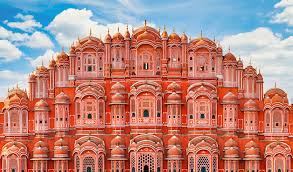
The Hawa Mahal, one of Jaipur’s most famous structures, gracefully stretches along the busy streets of the old city. Built in 1799 by Maharaja Sawai Pratap Singh, this five-story building features 953 tiny windows, known as jharokhas, allowing royal women to observe street life while remaining unseen.
The honeycomb-like façade is both visually stunning and practical, enabling cool air to circulate through the palace during the scorching summer months. Viewing Hawa Mahal in the soft morning light or at sunset is a breathtaking experience that perfectly captures Jaipur’s architectural brilliance.
Amber Fort: A Magnificent Hilltop Marvel
Amber Fort, one of Jaipur’s most striking attractions, is located atop the Aravalli hills. Constructed in the 16th century by Raja Man Singh, this enormous fort served as the residence of the Kachwaha Rajput rulers before the city of Jaipur was founded.
The fort’s elaborate carvings, mirror-worked halls, and expansive courtyards showcase the wealth and artistic excellence of the Rajput era. The Sheesh Mahal, or Mirror Palace, is particularly captivating, with countless tiny mirrors reflecting light in a dazzling display. From the fort walls, visitors can enjoy sweeping views of Maota Lake and the surrounding hills.
Jantar Mantar: Where Royal Vision Meets Science
Jaipur is not only a city of palaces and forts but also a center of scientific achievement. The Jantar Mantar, a UNESCO World Heritage Site, was built by Maharaja Sawai Jai Singh II as an astronomical observatory. It houses several instruments designed to measure time, track celestial bodies, and predict eclipses, including the world’s largest stone sundial.
The precision and scale of these instruments demonstrate the ruler’s deep interest in astronomy and mathematics. Walking through Jantar Mantar highlights how Jaipur’s royalty valued knowledge and innovation alongside luxury and power.
Nahargarh and Jaigarh Forts: Guardians of the Pink City
Nahargarh Fort offers panoramic views of Jaipur from the Aravalli hills, especially during sunset. Originally built as a retreat for the royal family, it provides a peaceful escape from the city’s lively streets below.
Jaigarh Fort, designed for defense, houses the Jaivana Cannon, the largest cannon on wheels in the world. Together, these forts contribute to Jaipur’s dramatic skyline while narrating stories of military strategy, royal leisure, and architectural strength.
The Bright Jaipur Bazaars
A visit to Jaipur is incomplete without exploring its vibrant bazaars. The markets of the old city are a celebration of color, craftsmanship, and tradition, offering everything from gemstones and jewelry to textiles and handicrafts.
Johari Bazaar
Johari Bazaar is renowned for its exquisite jewelry, including Kundan, Meenakari, and precious gemstones. This market highlights Jaipur’s reputation as one of the world’s leading centers for gem cutting and jewelry making.
Bapu Bazaar
Bapu Bazaar is a shopping haven for those seeking traditional Rajasthani textiles, leather goods, and souvenirs. From colorful dupattas to handcrafted mojris, the market offers affordable treasures that reflect Rajasthan’s vibrant culture.
Tripolia Bazaar
Tripolia Bazaar is famous for its lac bangles, brassware, and traditional carpets. Walking through its narrow lanes, visitors experience the rhythm of local life, with artisans at work and shopkeepers calling out to customers.
Jaipur’s Flavors: A Royal Gastronomic Adventure
Jaipur’s cuisine is as rich and diverse as its history. Influenced by royal kitchens and desert traditions, Rajasthani food is known for its bold flavors and unique cooking methods.
Signature dishes such as Dal Baati Churma, Gatte ki Sabzi, and Laal Maas reflect the region’s culinary heritage. Sweet delicacies like Ghewar and Mawa Kachori are must-tries for visitors with a sweet tooth.
Festivals, Traditions, and Culture
Jaipur’s cultural life is vibrant and deeply rooted in tradition. Folk music and dance forms such as Ghoomar and Kalbelia bring Rajasthani stories and rhythms to life. Art forms like block printing, blue pottery, and miniature painting continue to thrive through local artisans.
Festivals such as the Jaipur Literature Festival, Teej, Gangaur, and Diwali fill the city with energy and color. Decorated streets, cultural performances, and festive markets make Jaipur even more enchanting during these celebrations.
Jaipur in the Modern Era: Tradition Meets Contemporary Life
While proudly preserving its heritage, Jaipur has embraced modern development. Upscale hotels, boutique cafes, art galleries, and shopping centers coexist with centuries-old monuments, offering diverse experiences for travelers.
Heritage hotels transformed from palaces and havelis allow visitors to experience royal hospitality firsthand, blending history and luxury in an unforgettable setting.
Why Jaipur Leaves a Lasting Impression
Exploring Jaipur is more than sightseeing; it is an immersive journey into India’s royal past and vibrant present. Its palaces narrate stories of power and elegance, bazaars echo with centuries of craftsmanship, and its people proudly preserve age-old traditions.
Whether wandering through grand courtyards, bargaining in bustling markets, savoring local cuisine, or watching the sunset from a hilltop fort, Jaipur offers memories that linger long after the journey ends. In every sense, Jaipur is a royal experience that invites travelers to explore, discover, and fall in love with the heart of Rajasthan.