Varanasi – India’s Spiritual Heart on the Banks of the Ganga
December 24, 2025
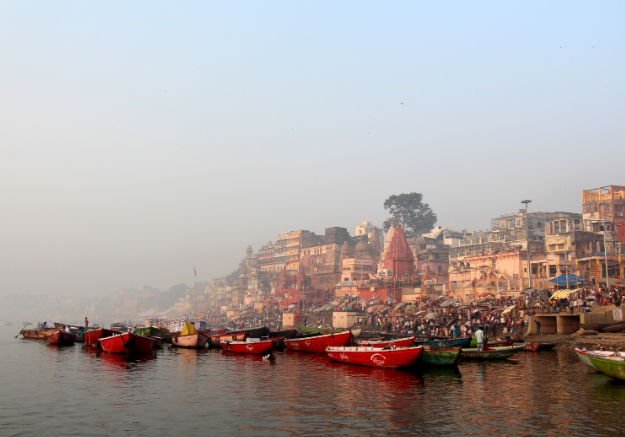
Varanasi – India’s Spiritual Heart on the Banks of the Ganga
Varanasi, also known as Kashi or Banaras, is not just a city—it is an emotion, a living philosophy, and a spiritual experience that transcends time. Situated on the sacred banks of the River Ganga in Uttar Pradesh, Varanasi is regarded as one of the oldest continuously inhabited cities in the world. For thousands of years, saints, scholars, pilgrims, and travelers have been drawn to this mystical city in search of truth, salvation, and inner peace. In Varanasi, life and death coexist seamlessly, rituals unfold at every corner, and spirituality flows as naturally as the sacred river itself.
To understand India’s spiritual soul, one must experience Varanasi. From ancient temples and historic ghats to sacred chants echoing through narrow lanes, the city offers a profound journey into faith, tradition, and timeless culture.
The Ancient Legacy of Varanasi
Varanasi’s history dates back over 3,000 years, making it one of the world’s oldest living cities. Mentioned in ancient Hindu scriptures such as the Rigveda, Varanasi has long been considered the city of Lord Shiva, the supreme god of transformation and destruction. According to Hindu belief, Lord Shiva himself founded Varanasi, making it the holiest city for Hindus.
Throughout history, Varanasi has been a prominent center for religion, education, art, music, and philosophy. Great thinkers like Adi Shankaracharya, Kabir, Tulsidas, and Ravidas lived and taught here, shaping Indian spiritual thought. During the medieval period, Varanasi flourished as a hub of Sanskrit learning and spiritual discourse, while also witnessing periods of invasion and reconstruction that added layers to its complex heritage.
Despite centuries of change, the essence of Varanasi remains untouched. It continues to stand as a symbol of continuity, where ancient traditions are practiced daily with unwavering devotion.
The Sacred River Ganga: Lifeline of Varanasi
At the heart of Varanasi lies the River Ganga, revered as a goddess by millions. The river is believed to purify sins and grant moksha—liberation from the cycle of birth and death. For pilgrims, a dip in the holy waters of the Ganga is not merely a ritual but a deeply spiritual act.
From dawn to dusk, the riverbanks come alive with activities—priests performing rituals, devotees offering prayers, boatmen rowing pilgrims across the gentle waters, and saints meditating along the ghats. The Ganga in Varanasi is not just a river; it is a witness to life’s most significant moments—birth, prayer, and death.
The spiritual connection between Varanasi and the Ganga is so profound that many Hindus wish to spend their final days in the city, believing that dying here ensures salvation.
The Ghats of Varanasi: Where Life Unfolds
Varanasi is home to over 80 ghats—stone steps leading down to the river—each with its own history and purpose. These ghats form the spiritual and cultural backbone of the city.
Dashashwamedh Ghat
The most prominent and vibrant ghat, Dashashwamedh Ghat is known for its grand Ganga Aarti held every evening. Priests dressed in traditional attire perform synchronized rituals with fire lamps, conch shells, and sacred chants, creating a mesmerizing spectacle that draws visitors from around the world.
Manikarnika Ghat
One of the holiest cremation grounds in Hinduism, Manikarnika Ghat symbolizes the cycle of life and death. Funeral pyres burn continuously here, reminding visitors of the impermanence of life and the spiritual belief in rebirth and liberation.
Assi Ghat
Located at the confluence of the Ganga and Assi rivers, Assi Ghat is popular among pilgrims, students, and tourists. It is also a hub for morning yoga sessions, cultural events, and peaceful boat rides.
Other Notable Ghats
Ghats like Harishchandra, Panchganga, Kedar, and Tulsi Ghat add to the city’s spiritual landscape, each associated with legends, temples, and historic events.
Temples of Varanasi: Pillars of Faith
Varanasi is often called the “City of Temples,” with thousands of shrines scattered across its labyrinthine streets. These temples are not just architectural landmarks but active centers of devotion.
Kashi Vishwanath Temple
Dedicated to Lord Shiva, the Kashi Vishwanath Temple is the spiritual heart of Varanasi. One of the twelve Jyotirlingas of Shiva, the temple holds immense religious significance.
Sankat Mochan Hanuman Temple
Founded by saint Tulsidas, this temple is dedicated to Lord Hanuman and is believed to remove obstacles and troubles from devotees’ lives.
Durga Temple
Also known as the Monkey Temple, the Durga Temple is dedicated to Goddess Durga and is an important center for Shakti worship.
Bharat Mata Temple
Unique in its concept, Bharat Mata Temple houses a relief map of India carved in marble, symbolizing national unity and cultural pride.
Conclusion
Varanasi stands as India’s spiritual heart, beating steadily on the banks of the sacred Ganga. It is a city where the past lives in the present, where faith guides daily life, and where every sunrise brings renewal. Timeless yet ever-changing, chaotic yet deeply peaceful, Varanasi offers a journey unlike any other.